

Hair loss around the temples is one of the most common yet frustrating issues for both men and women. Even if you still have a full head of hair at the crown, receding temples can dramatically change the way your face looks, often making you appear older than you are. Fortunately, a temple hair patch is a simple and highly effective solution. In this guide, we’ll explain everything you need to know—from what a temple patch is, to how to choose, wear, and maintain it for a natural, seamless look.
What Is a Temple Hair Patch?
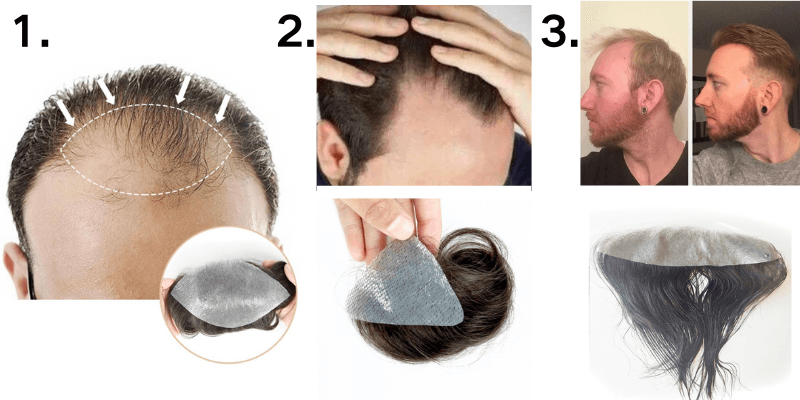
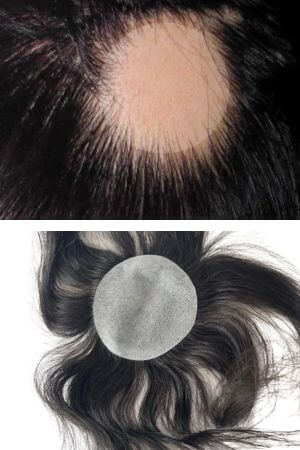
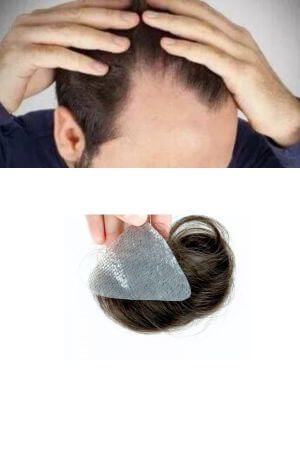
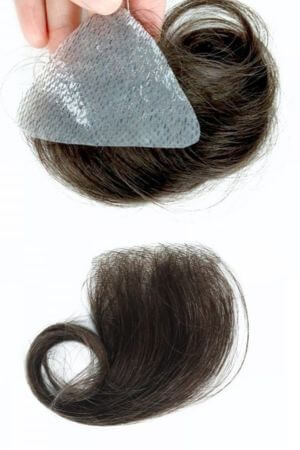
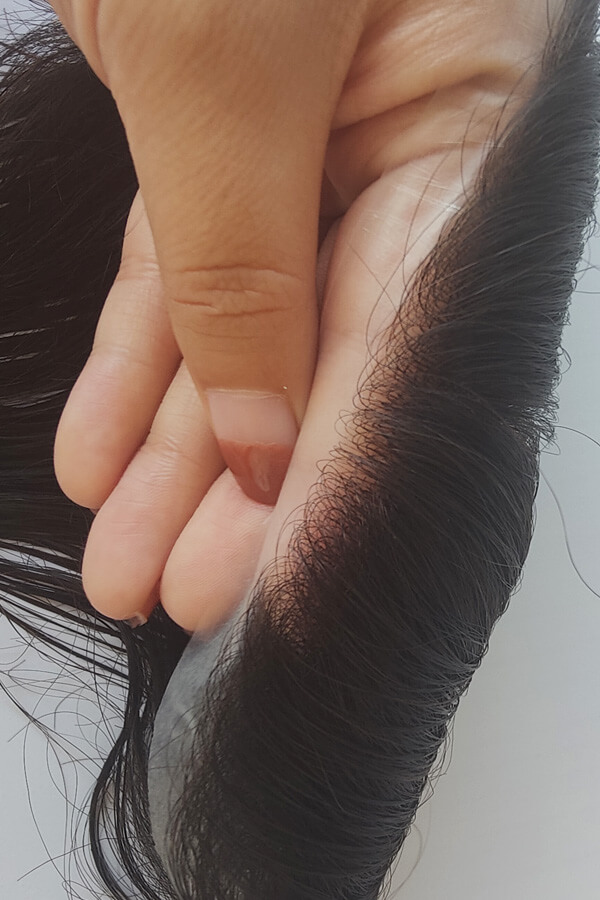
A temple hair patch is a small hairpiece designed specifically to cover thinning or receding areas around the temples. Unlike a full toupee or wig, it only targets the problem area, giving you the flexibility to keep your natural hair while filling in gaps for a fuller, more youthful hairline.
Temple patches are especially popular for those with an “M-shaped” receding hairline or early signs of male pattern baldness. They blend smoothly into existing hair, making them nearly undetectable when worn correctly.
Why Choose a Temple Hair Patch?
Targeted Coverage – No need to wear a full hair system when only the temples are thinning.
Lightweight and Comfortable – Small size means minimal weight and maximum breathability.
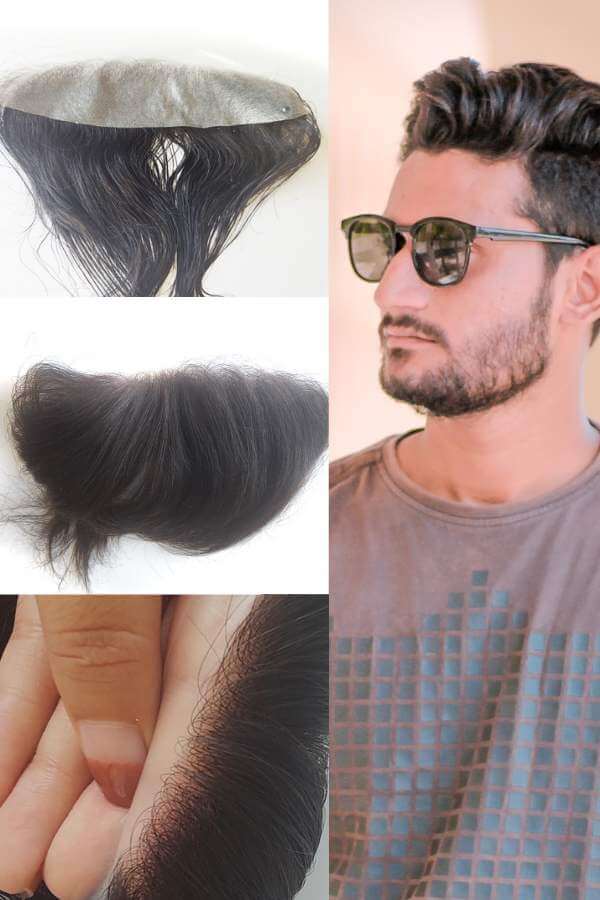
Natural Look – When matched to your natural hair color, density, and texture, it blends perfectly.
Cost-Effective – More affordable than full wigs or large hair systems.
Easy to Maintain – Cleaning and care are simple compared to bigger systems.
Types of Temple Hair Patches
Different customers have different needs, and the base material of the patch makes a big difference in how it feels and looks.
Lace Temple Patch – Ultra-thin and breathable. Best for hot climates and those who prioritize comfort.
Skin (PU) Temple Patch – Transparent and invisible against the scalp, perfect for a realistic hairline.
Mono Temple Patch – Strong and durable, ideal for those who need a longer-lasting solution.
Each base material comes with its own pros and cons. Lace is breathable but slightly less durable. Skin looks the most natural but may be less breathable. Mono is tough but slightly thicker.
How to Choose the Right Temple Hair Patch
Measure Your Temples – Use a soft measuring tape to identify the thinning area. Choose a patch slightly larger so it can be trimmed to fit.
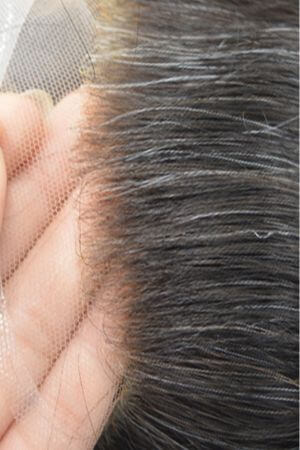
Match the Hair Color – Always compare under natural light to ensure a perfect match with your existing hair.
Select Density – Light density works best for a natural hairline, while medium density provides fuller coverage.
Consider Lifestyle – If you exercise or sweat often, choose lace for breathability. If appearance is your top priority, a thin skin patch may be ideal.
How to Attach a Temple Patch
There are multiple ways to secure a temple hair patch, depending on comfort and lifestyle.
Toupee Tape – Quick, easy, and safe for sensitive skin.
Liquid Adhesive – Provides a stronger, longer-lasting hold for active lifestyles.
Clips – Non-adhesive option for those who want to remove the patch daily.
Tip: Always clean your scalp thoroughly before applying adhesives for the best bond.
Maintenance & Cleaning Tips
Proper care will extend the life of your temple patch and keep it looking fresh.
Daily Care – Brush gently with a wide-tooth comb to avoid tangling.
Weekly Care – Remove adhesive residue using professional toupee solvent. Wash with sulfate-free shampoo and conditioner.
Monthly Care – Deep clean both the patch and your scalp. Store the patch on a stand to maintain shape.
Seasonal advice:
Summer – Use stronger adhesives and wash more often due to sweat.
Winter – Use hydrating conditioner to prevent dryness.
Common Questions About Temple Hair Patches
1. Will people notice I’m wearing a patch?
No—when matched and applied correctly, temple patches are virtually invisible.
2. How long does a temple patch last?
Typically 2–6 months depending on base material and maintenance.
3. Can I swim or exercise with a patch?
Yes. With strong adhesive, temple patches stay secure during workouts and swimming.
4. Will it damage my scalp?
Not if you clean your scalp regularly and use skin-safe adhesives.
5. Can I style it like my own hair?
Yes. Temple patches made with human hair can be cut, styled, and even lightly heat-treated.
Real-Life Confidence Boost
Many customers share how temple hair patches have changed their lives. Instead of worrying about people noticing thinning temples, they regain confidence in social and professional settings. With the right patch, you can enjoy a youthful, natural look without the commitment of surgery or the bulk of a full hair system.
Conclusion
Thinning temples don’t have to hold you back. A temple hair patch is lightweight, natural-looking, and easy to maintain. Whether you prefer lace, skin, or mono base, the right patch will seamlessly blend with your natural hair and restore confidence instantly.
👉 Ready to experience the difference? Explore high-quality, natural temple hair patches at HairNotion and find the perfect match for your style.
Email: [email protected]
Best Hair Patch In Dubai
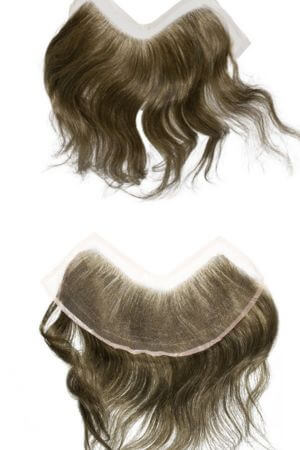
Men’s Lace Frontal | 2″x10″ Full French Lace Base| Invisible Hairline
Best Hair Patch In Dubai
Best Hair Patch In Dubai
Stock Hair System for men
AFH: Super Thin Skin Natural Hairline Men’s Frontal Hair Piece