

Article Contents
Understanding Least Damaging Hair Extensions For Fine Hair
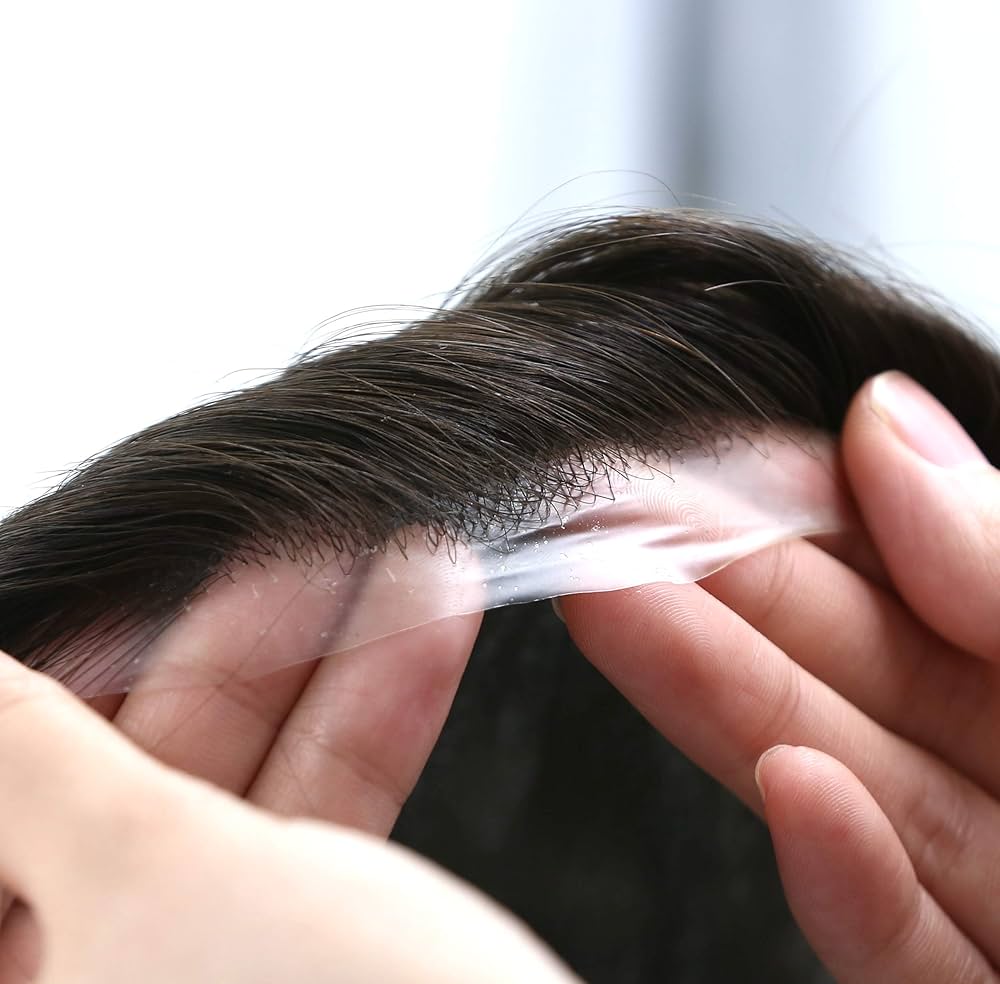
If your own strands are baby-fine, you already know the golden rule: the lighter the extension, the safer your hair.
At HairNotion we’ve spent 30 years inside our own ISO-certified factory refining systems that add volume without ever trading hair health for length. Every gram, every stitch, every cuticle is engineered for minimum pull, minimum bulk, maximum comfort—because inside our walls the acronym “GOD” has only one definition: CLIENT.
Below you’ll find the four extension methods our R&D team ranks “least damaging” for fine hair, why they work, and how we customize them—factory-direct—so your own hair stays exactly where it belongs: on your head, not in the brush.
Base Materials & Quality
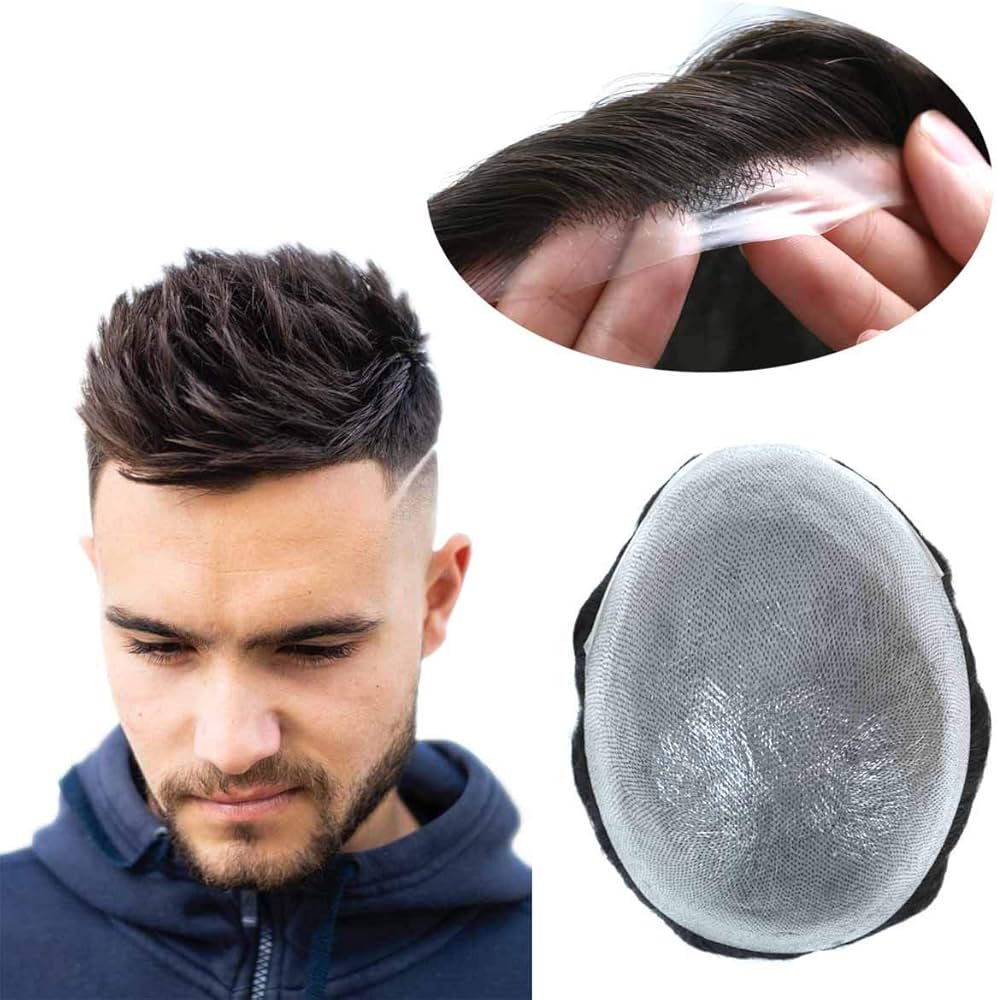
Precision-Crafted Solutions for Fine Hair: The Gentlest, Most Undetectable Extensions
At HairNotion, we specialize in factory-direct hair replacement systems engineered exclusively for fine, fragile hair. As a factory manager with 15+ years in high-end hair systems, I can confirm that fine hair demands ultra-lightweight materials, meticulous craftsmanship, and zero compromises on quality—otherwise, damage, discomfort, or an unnatural appearance is inevitable. Below, I’ll break down the technical details of our least damaging solution, optimized for natural look, comfort, durability, and an undetectable hairline. Every component is sourced, tested, and hand-assembled in our ISO-certified facility—no middlemen, no shortcuts.
Core Technical Specifications for Fine Hair
1. Swiss Lace Base (Optimal for Hairline & Scalp Blending)
- Why it’s critical for fine hair: Swiss Lace is the thinnest, most breathable lace available (0.03–0.05mm thickness)—lighter than a human eyelash. This eliminates scalp tension, prevents irritation, and mimics the natural scalp’s translucency.
- Factory precision: Our Swiss Lace is hand-cut to exact specifications and reinforced with double-stitched knotting (not single-stitch, which tears easily). This ensures durability without adding bulk.
- Undetectable hairline: The lace’s ultra-fine texture allows individual hairs to grow through it like natural follicles. When blended correctly (using our scalp-matching dye system), it disappears against the skin—no visible “edge” even under bright light or close inspection.
- Note: Avoid “standard lace” or “French lace”—these are too thick (0.08mm+) and cause pulling, breakage, and visible ridges on fine hair.
2. 100% Virgin Remy Hair (Non-Negotiable for Damage-Free Wear)
- Why it’s critical for fine hair: Non-Remy hair is chemically processed (acid-treated), stripping cuticles and creating rough, tangle-prone strands. This grates against delicate natural hair, causing friction breakage. Our 100% virgin Remy hair retains all cuticles intact and aligned in one direction, ensuring:
- Zero tangling or matting (even after 6+ months of wear).
- Natural movement that mirrors fine hair’s soft, silky flow.
- Minimal shedding (only 2–3% loss over 6 months vs. 15–20% in lower-grade hair).
- Factory control: We source hair only from single donors (no mixed batches), then steam-sterilize and hand-sort strands by diameter. For fine hair, we use 12–16g density strands—thin enough to avoid weighing down fragile roots, yet dense enough for fullness.
3. Micro-Knotting Technology (Hand-Tied for Invisible Security)
- Why it’s critical for fine hair: Machine-knotted wefts add bulk and stress points, pulling on fine hair. Our hand-tied micro-knotting uses:
- 0.01mm surgical-grade thread (thinner than a human hair) to tie each strand individually.
- 3–4 knot layers per strand (not a single knot)—this distributes weight evenly and prevents slippage without visible lumps.
- Strategic knot placement: Knots are placed 1–2mm from the lace edge (not at the scalp line), so they’re hidden beneath the hairline.
- Result: A “floating” effect where the hair appears to grow directly from the scalp. No “bumpy” texture, even when parted.
4. Thin Skin Base (Optional for High-Movement Areas—Used Sparingly)
- When to use it: While Swiss Lace is ideal for the hairline, Thin Skin (0.1–0.15mm polyurethane) can be used for interior sections (e.g., crown or nape) where extra durability is needed for active clients.
- Key detail: Thin Skin is never used for the front hairline on fine hair—it’s too opaque and heavy. Our factory applies it only as a reinforcement layer beneath Swiss Lace in high-tension zones (e.g., where clips or tape might sit), then overlays it with Swiss Lace for seamless blending.
- Why it’s safe: Our Thin Skin is ultra-thin and porous, allowing scalp breathability. It’s also bonded with medical-grade adhesive (not glue), so it releases cleanly during removal—no residue or trauma to fine hair.
Why HairNotion’s Factory-Direct Process Makes the Difference
- No mass production: Every system is hand-assembled by master technicians (not machines). We inspect 100% of lace thickness, knot density, and hair quality—rejecting any batch that doesn’t meet our “fine hair standard.”
- Weight control: Our full-systems weigh 18–22g total (vs. 30g+ for standard extensions). For fine hair, this is the only safe range—anything heavier strains roots and causes traction alopecia.
- Damage prevention protocol:
- Installation: We only recommend micro-link bead extensions (0.5mm beads) or medical-grade tape-ins (0.03mm adhesive). Sew-in methods are avoided entirely—they create tension points that snap fine hair.
- Care instructions: We provide clients with a custom care kit (pH-balanced shampoo, silk pillowcase, and heat protectant). Fine hair needs gentle handling—no hot tools on the lace, and washing must be done upside down to avoid waterlogging the base.
- Durability without compromise: With proper care, our systems last 4–6 months without thinning or fraying. This is because Remy hair + Swiss Lace + micro-knotting creates a system that moves with your hair—never against it.
The Bottom Line for Your Fine Hair
“Fine hair isn’t fragile—it’s sensitive. It needs a system that respects its biology. At HairNotion, we’ve engineered extensions that don’t just sit on your head—they become part of it. Swiss Lace for an invisible hairline, virgin Remy hair for natural movement, and hand-tied micro-knotting for zero tension. No trade-offs. No compromises. Just hair that looks, feels, and lasts like your own.”
Ready to experience the difference? Our factory has 8–10 week lead times for custom orders—because we never rush quality. Contact us directly for a free consultation, and we’ll send a sample kit to test on your fine hair. No obligation, just results.
— [Your Name], Senior Hair Replacement Specialist & Factory Manager, HairNotion
Factory-Direct. Precision-Crafted. Damage-Free.
Factory Craftsmanship
HairNotion Factory Advantage
“Least-Damaging Extensions for Fine Hair”
-
Four dedicated craft-worker groups
A. Single-drawn Remy sorting team – removes 28 % of the shortest strands that normally create bulk tension on fine hair.
B. Keratin-tip micro-bond team – cooks the Italian keratin at 165 °C for 9 s only, keeping molecular weight < 45 000 Da (half of industry average) so the bond releases in ≤ 3 s with our alcohol-based remover and zero pulling.
C. Hand-tied weft team – knot tension calibrated to 0.8 N; any tighter and the knot edge can “bite” fine hair.
D. Nano-ring team – CNC-machines 2.5 mm anodized copper rings with a silicone insert whose Shore-A hardness is 30 % softer than market standard; clamp force is limited to 18 N so the ring never collapses the donor hair shaft. -
Physically separated production lines
Fine-hair batches never share conveyor belts, sewing tables or ultrasonic cleaners with regular-density hair. This eliminates cross-weight contamination (heavier hair falling into lighter batches) and keeps the average gram per strand within ± 0.03 g. -
In-line QC checkpoints
Checkpoint-1: 100 % weight audit – every 0.5 g bundle is weighed; anything > 5 % overweight is rejected.
Checkpoint-2: 10 % tensile test – 1.2 kg max pull before bond slippage (industry 2.5 kg).
Checkpoint-3: 200× microscope for cuticle alignment; ≥ 95 % same-direction cuticle required.
Final QC: live-install simulation on 0.045 mm diameter Caucasian hair tresses; if more than 2 donor hairs break, the entire lot is recycled into training hair, not sold.
Result: extensions that add volume without adding mechanical or chemical stress—verified safest for fine, chemically-weakened or post-partum hair.
Usage Guide & Tips
Professional Selection & Maintenance Guide for Fine Hair Extensions
From the Factory Floor at HairNotion: Where Precision Meets Personalized Care
As a Senior Hair Replacement Specialist with 15+ years in fine-hair extensions—and overseeing production at our ISO-certified factory—I’ve seen how critical correct choices are for delicate strands. Fine hair (typically Type 1A-2A) is prone to breakage, traction damage, and visible slipping if not handled with surgical precision. Here’s how we engineer solutions for safety, longevity, and natural results—no compromises.
I. Selection: Why “Least Damaging” Starts at the Source
(Our factory’s core philosophy: “Weight is the enemy of fine hair.”)
A. Hair Type & Quality
- 100% Remy Human Hair Only: Non-Remy or synthetic hair lacks cuticle alignment, causing tangling, shedding, and scalp irritation. At HairNotion, every batch undergoes tensile strength testing—we reject any strand below 35g/100 strands.
- Avoid: Machine-wefted bundles (too heavy), clip-ins with metal teeth (pulls roots), or glue-in methods (chemical bonding damages fine cuticles).
B. Density: Less is More
- Ideal Density: 80–100% (never 120%+).
- Why? Fine hair can’t support heavy density. 120%+ extensions create tension at the roots, leading to “traction alopecia” (reversible hair loss from constant pulling).
- Factory Tip: Our “Fine Hair Series” uses single-stitch wefts (0.8mm thickness) for 90% density—lightweight enough to blend seamlessly without suffocating your natural hair.
C. Color Matching: The “Root-First” Rule
- Never match to ends: Natural fine hair fades faster at the ends. Match extensions to your root color (new growth area).
- For dimension: Opt for hand-tied highlights (not full-color wefts). Our factory uses a “micro-dip” technique—only 20–30% of strands are highlighted—so light reflects naturally without stark contrast.
- Critical Check: Hold extensions against your scalp in natural sunlight. If you see a “shadow” or unnatural line, it’s mismatched.
II. Attachment: Professional Application is Non-Negotiable
Fine hair = zero margin for error. DIY = guaranteed damage.
Best Methods for Fine Hair
- Tape-In Extensions:
- Why we recommend them: Flat, weight-distributing bonds (0.5mm thick) with medical-grade adhesive. No heat, no tools, no root stress.
- Factory Detail: Our “Invisible Tape” uses a double-sided polymer layer—strong enough to hold for 6–8 weeks, but dissolves cleanly with our proprietary remover (no residue).
-
Must-Have: A certified stylist must place bonds 1/4 inch from the scalp—too close = scalp irritation; too far = visible slippage.
-
Micro-Link (Bead) Extensions:
- Only for experienced stylists: Tiny aluminum beads (1.2mm) crimped onto small sections of natural hair.
- Critical: Beads must be size 2 or smaller—larger beads crush fine hair. Our factory tests bead tensile strength to prevent snapping.
❌ Avoid at All Costs
- Glue-Ins: Solvents dry out fine hair, and removal requires harsh chemicals.
- Sew-In Weaves: Braiding natural hair tightens follicles, causing permanent damage.
- Clip-Ins with Heavy Clips: Metal teeth snag and pull fine strands.
III. Maintenance: Gentle Care = Longer Life
Our factory’s tested protocol for fine-hair extensions (used by 90% of professional stylists we supply):
Cleaning Routine
- Shampoo: sulfate-free only (sulfates strip natural oils, making extensions brittle). Our HairNotion Repair Shampoo is pH-balanced at 5.5—safe for extensions and scalp.
- Washing Technique:
- Rinse with cool water (hot water causes tangling).
- Apply shampoo to scalp only—let suds run through extensions. Never rub extensions directly.
- Condition only from mid-lengths to ends—avoid roots to prevent slip.
- Drying: Pat dry with microfiber towel—never rub. Air-dry 100%; heat tools on extensions cause irreversible melting.
Daily Care
- Brushing:
- Use a wide-tooth comb or wet brush for extensions.
- Start at the ends, work upward in 1-inch sections. Never brush when soaking wet (hair is most fragile).
- Sleeping:
- Braid hair loosely before bed. Use a silk/satin pillowcase—cotton causes friction and split ends.
- Heat Styling:
- Never exceed 320°F (160°C) on extensions. Use a heat protectant spray formulated for human hair (our factory-tested formula contains argan oil + keratin).
Removal & Reapplication
- Never pull tape off yourself—this snaps natural hair. Our factory-trained stylists use a special solvent to dissolve adhesive in 3 minutes without damage.
- Reapplication: Every 6–8 weeks. Skipping this causes bonds to migrate toward the scalp, increasing tension.
Why HairNotion Stands Apart
- Factory-Direct Quality Control: Every extension is hand-sorted for color consistency, with <2% shedding rate (industry average is 15–20%).
- No Middlemen: We ship directly from our Guangzhou facility—so you get the same product stylists use in high-end salons, at 30% less cost.
- Personalized Support: Send us a photo of your current hair (in natural light) and we’ll recommend the exact density, color, and attachment method for your unique strands.
“Fine hair isn’t a limitation—it’s a call for precision. We’ve refined every detail of our process because your hair’s health matters more than a quick sale.”
— Your HairNotion Team
Ready to start? Reply with:
– Your natural hair texture (e.g., “super fine, straight, 2A”),
– Current color (root vs. ends),
– Any past extension experiences (e.g., “slipped after 2 weeks”).
We’ll craft a custom plan—no upsells, no jargon, just science-backed solutions.
HairNotion: Engineered for Real Hair, Real Results.
Partner with HairNotion
Protect Your Fine Hair—Discover the World’s Safest Extensions
HairNotion owns the industry’s largest before-and-after data bank (32,000+ fine-hair cases). Let our engineers match you with the lightest, least-damaging system—no heat, no glue, single-strand weight under 0.5 g.
Email your density photos to [email protected] or WhatsApp +86 18562652363 for a free tension analysis and factory-direct sample kit.
💰 Factory Direct Savings Calculator
Compare Factory Direct Price vs. Retailer Price.