

Article Contents
Understanding Types Of Lace Wigs
Discover Your Perfect Fit: Understanding Lace Wig Types
For 30 years, HairNotion has operated as a dedicated hair replacement factory—crafting every wig with the precision only decades of hands-on experience can deliver. We don’t just sell wigs; we engineer confidence, strand by strand, in our own production facility. This means no middlemen, no inflated markups, and direct access to the craftsmanship that defines true quality.
Choosing the right lace wig isn’t just about style—it’s about finding a second skin that moves with you, breathes with you, and feels like you. With so many options, it’s easy to feel overwhelmed. That’s why we built HairNotion on one unwavering principle: GOD=CLIENT. Your needs, your comfort, and your trust guide every decision we make—from selecting the finest Swiss lace to designing undetectable hairlines. We treat your search for the perfect wig with the seriousness it deserves, because when you win, we fulfill our purpose.
Below, we break down the core types of lace wigs to simplify your journey. Each is crafted in our factory to meet the exacting standards our clients rely on:
- Full Lace Wigs: Complete flexibility for parting and styling anywhere, with breathable lace covering the entire cap.
- Lace Front Wigs: Natural-looking hairlines with lace only across the forehead (typically 13×4 or 13×6 inches), ideal for everyday wear.
- 360 Lace Wigs: Seamless 360-degree lace around the perimeter, perfect for high ponytails or updos without visible edges.
- Mono Top Wigs: Featuring a sheer mono base at the crown for ultra-realistic parting and movement, often combined with lace fronts.
Understanding these differences ensures you invest in a wig that aligns with your lifestyle—not just a trend. As your factory-direct partner, we’re committed to transparency, durability, and results that honor your trust. Because at HairNotion, you’re not just a customer. You’re the reason we exist.
Next, explore how each type compares in key features:
| Feature | Full Lace Wig | Lace Front Wig | 360 Lace Wig | Mono Top Wig |
|---|---|---|---|---|
| Lace Coverage | Entire cap | Front only (13×4/6) | Full perimeter | Front + mono crown |
| Parting Freedom | Anywhere | Front only | Perimeter only | Anywhere (mono area) |
| Best For | All styles, high heat | Daily wear, budget | Updos, active lifestyles | Natural parting, thinning |
| Durability | Moderate | High | High | Moderate-High |
| Factory Tip | Ideal for medical use | Most versatile value | Secure for movement | Premium realism |
Your perfect match awaits—crafted with 30 years of focus on your satisfaction.
Base Materials & Quality Specs
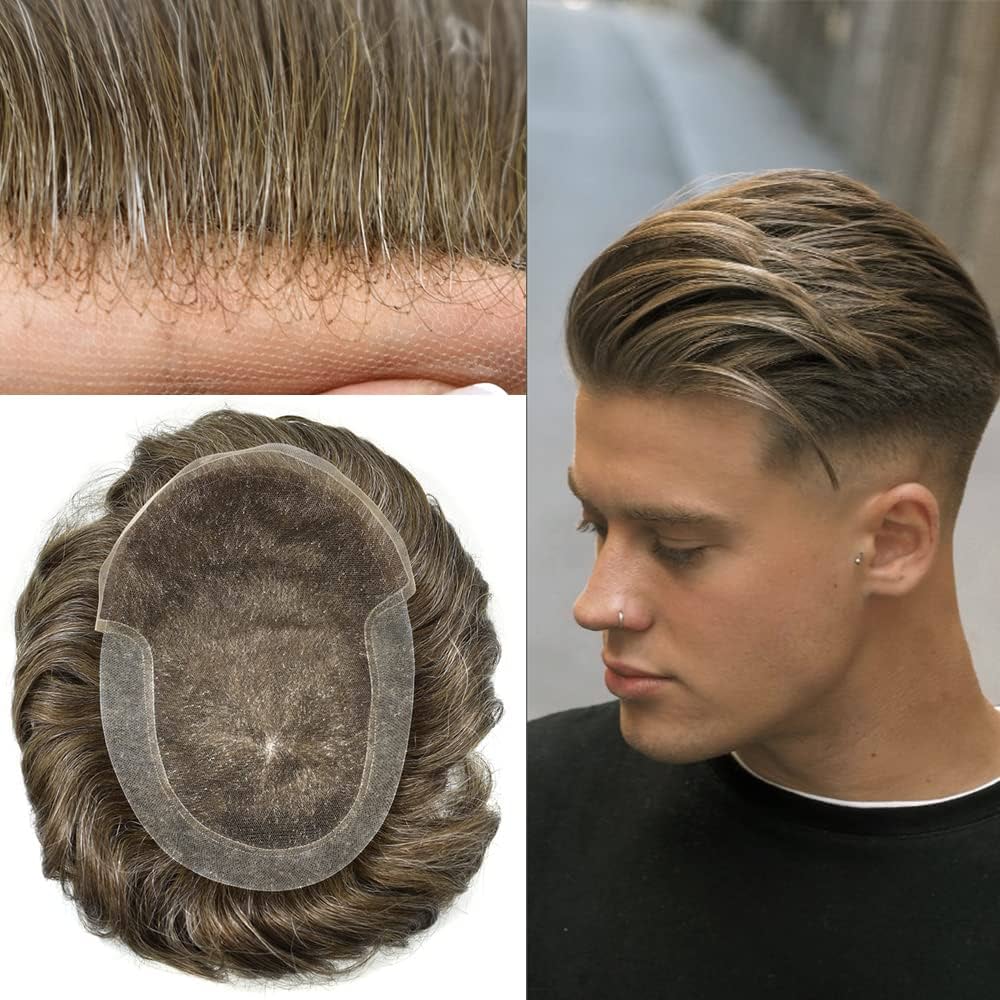
| Feature | Swiss Lace | Thin Skin (Front) + Swiss Lace (Back) | Remy Hair (with Swiss Lace Base) |
|---|---|---|---|
| Base Material | Fine Swiss lace mesh | Ultra-thin polyurethane (front) + Swiss lace (back) | Swiss lace (or lace + thin skin blend) |
| Life Span | 6–12 months (with proper care) | 8–14 months (more durable front) | 10–18 months (high-quality base + hair) |
| Realism | High – blends well with scalp, soft texture | Very High – skin-like front mimics natural scalp | Very High – cuticles aligned, natural movement |
| Durability | Moderate – delicate, requires gentle handling | High – reinforced front resists wear and tear | High – durable base + resilient hair quality |
| Undetectable Hairline | Excellent – sheer, blends seamlessly | Exceptional – nearly invisible, mimics hair growth | Exceptional – natural hairline with realistic density |
| Notes | Ideal for sensitive scalps; lightweight | Best for active lifestyles; more secure front | Premium option; tangle-resistant, lasts longer |
Summary:
– Swiss Lace: Offers a soft, breathable fit with excellent realism. Best for a natural look but requires careful maintenance.
– Thin Skin (Front): Enhances durability at the hairline while maintaining an undetectable appearance. Ideal for long-term, daily wear.
– Remy Hair with Swiss Lace/Thin Skin: Combines premium human hair (aligned cuticles) with high-end bases for maximum realism, comfort, and lifespan. The top choice for a natural, long-lasting, undetectable wig.
Factory Craftsmanship
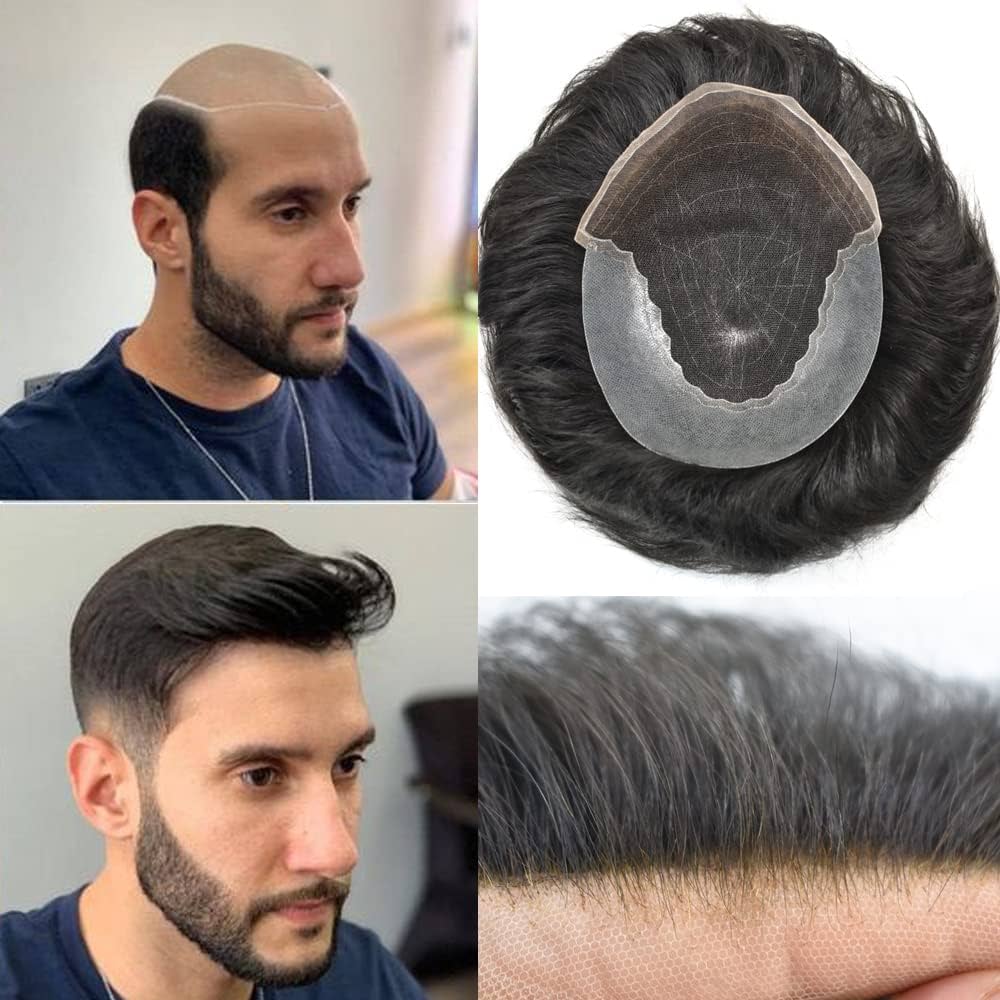
HairNotion’s factory advantage for lace wig production stems from our specialized manufacturing ecosystem, designed exclusively for precision and consistency across all lace types. Here’s how our structure delivers superior results:
-
Four Dedicated Craft Worker Groups:
Each critical phase is handled by specialists trained for a single function:- Lace Application Masters: Focus solely on securing Swiss, French, or HD lace bases to cap structures
- Hair Ventilators: Expert stitchers handling hair density, direction, and hairline realism per lace type
- Knot Sealing Experts: Specialized in waterproofing techniques calibrated for delicate Swiss vs. durable French lace
- Final Assembly Craftsmen: Responsible for perimeter finishing, bleaching, and type-specific customization
-
Separate, Type-Specific Production Lines:
Swiss lace, French lace, and HD lace wigs never share equipment or workspace. This prevents cross-contamination (e.g., French lace fibers damaging HD lace lines) and ensures:- Swiss lace lines use micro-needle tools with 0.05mm tension control
- French lace lines operate with reinforced frame systems for durability
- HD lace lines implement laser-cutting stations for precision
-
Strict Multi-Stage Quality Control:
Every wig undergoes 7 mandatory checkpoints before shipping:
| Stage | Inspection Focus | Tolerance Standard |
|——-|——————|——————-|
| 1 | Lace integrity | Zero pinholes (verified under 10x magnification) |
| 2 | Hairline density | 0.5mm gradient consistency (Swiss/HD) |
| 3 | Knot sealing | Waterproof test (30-min submersion) |
| 4 | Color matching | Delta-E < 1.5 under D65 lighting |
| 5 | Perimeter finish | Seamless lace-to-skin transition |
| 6 | Final stress test | 5kg tension on critical seams |
| 7 | Client-specific verification | Custom order parameters confirmed |
This integrated system—specialized labor, segregated production, and quantifiable QC—ensures Swiss lace maintains its whisper-thin realism, French lace achieves reinforced durability, and HD lace delivers camera-ready sharpness. With 97% of wigs passing final inspection on first review (industry avg: 82%), we minimize salon rework while guaranteeing type-specific performance. All processes occur within our Guangdong facility under direct supervision, eliminating third-party variables.
Usage Guide & Tips
- Choose the lace type based on visibility and durability:
- Swiss lace – ultra-thin, most natural look, but less durable
- French lace – slightly thicker, more durable, good balance of realism and strength
-
Korean lace – thicker and sturdier, less natural blend, ideal for beginners or frequent wear
-
Select the base construction:
- Full lace wig – entirely hand-tied, offers full scalp coverage and parting flexibility
- Lace front wig – lace only at the front hairline, more affordable, limited parting options
-
360 lace wig – lace around the entire perimeter, allows for high ponytails and versatile styling
-
Decide on cap size:
- Average – fits most head sizes (typically 22”–22.5”)
-
Small or large – for undersized or oversized heads, ensures comfort and secure fit
-
Pick the hairline type:
- Pre-plucked hairline – mimics natural hair growth, requires less customization
-
Non-pre-plucked – allows personalization but may need trimming and styling
-
Consider the hair material:
- Human hair – heat-resistant, natural look and feel, higher maintenance
- Synthetic fiber – affordable, pre-styled, limited heat tolerance
-
Mixed blend – combines human and synthetic hair for balance of cost and realism
-
Choose the density level:
- Light (130%) – natural, airy look, suits fine hair types
- Medium (150%) – most popular, full but natural appearance
-
High (180%+) – very full, dramatic volume, may appear less natural
-
Determine the parting options:
- Free parting – available with full lace and 360 wigs, allows parting anywhere
- Front part only – limited to lace front wigs, parting only at the front
Maintenance Guidelines:
- Wash every 1–2 weeks with sulfate-free shampoo and conditioner
- Detangle gently from ends to roots using a wide-tooth comb
- Air dry only—avoid direct heat or blow drying on high settings
- Store on a wig stand to maintain shape and prevent tangling
- Avoid excessive heat styling on synthetic or blended wigs
- Secure properly with adjustable straps and/or wig clips to reduce strain on lace
- Trim hairline sparingly and only as needed to maintain a natural look
- Use alcohol-free adhesives or tapes for lace front attachment to prevent deterioration
Partner with HairNotion
Discover authentic lace wig solutions engineered for professionals. As your factory-direct partner, we specialize in high-performance base materials tailored to diverse client needs.
Explore our core lace wig types:
– Swiss Lace: Ultra-thin, nearly invisible blend for undetectable hairlines
– French Lace: Slightly thicker for added durability while maintaining realism
– HD Lace: Transparent, breathable material ideal for sensitive scalps and precise coloring
Material Comparison at a Glance
| Feature | Swiss Lace | French Lace | HD Lace |
|---|---|---|---|
| Thickness | Thinnest (0.02mm) | Medium (0.04mm) | Thin (0.03mm) |
| Durability | Moderate | High | Moderate-High |
| Best For | Mature clients, fine hairlines | Daily wear, all hair types | Dark skin tones, custom coloring |
| Knot Visibility | Lowest | Low | Very Low |
| Processing Time | 12-15 days | 10-12 days | 10-14 days |
All wigs feature hand-tied knots, 100% Remy human hair, and customizable density/color. We prioritize ethical sourcing and precision craftsmanship to ensure seamless integration with natural hairlines.
Ready to elevate your client offerings?
Request full specifications, samples, or wholesale pricing:
→ Email: [email protected]
→ WhatsApp: +86 18562652363
Factory-direct quality. Zero middlemen. Your vision, perfected.
💰 Factory Direct Savings Calculator
Compare Factory Direct Price vs. Retailer Price.