

Article Contents
Understanding Lace Frontal Installation
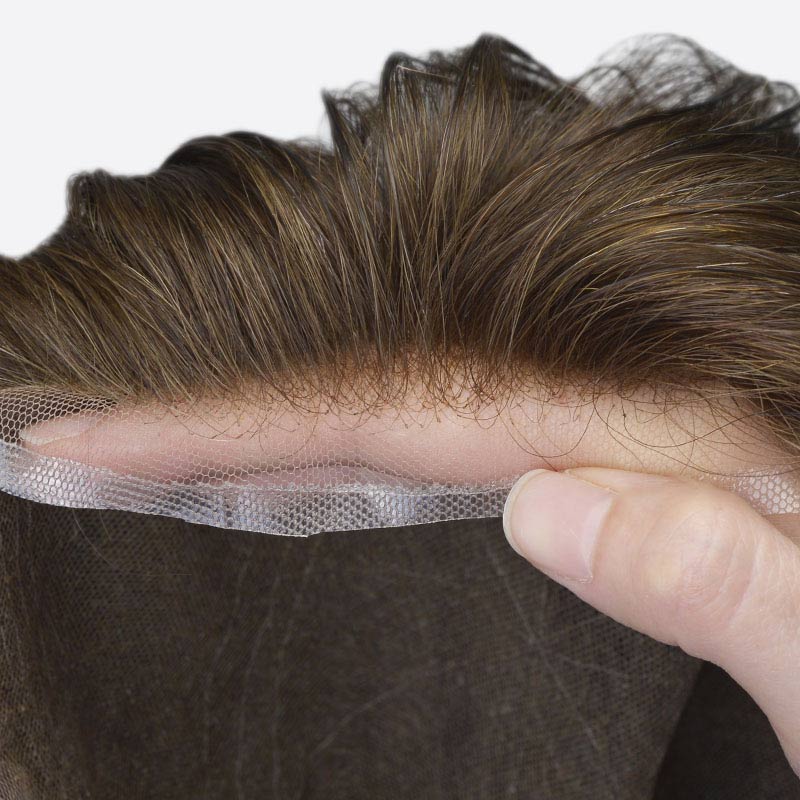
Discover Your Most Natural Look: Lace Frontal Installation Explained
For decades, lace frontal wigs and toppers have transformed lives by offering the most seamless, natural hairline possible—perfect for styling versatility and confidence that lasts all day. But achieving that flawless, undetectable finish starts long before application: it begins with exceptional craftsmanship and a partner who prioritizes your vision above all.
At HairNotion, we’re not just a brand—we’re a dedicated hair replacement factory with 30 years of precision engineering behind every piece. Since 1994, our artisans have perfected the art of hand-tied lace frontals, ensuring each unit blends invisibly with your scalp, moves naturally, and withstands daily wear. As a factory-direct provider, we eliminate retail markups and middlemen, delivering salon-quality results straight to you—without compromise.
Our guiding principle is simple: GOD = CLIENT. This means your needs, comfort, and satisfaction drive every stitch, every innovation, and every interaction. No request is too small; no detail is overlooked. When you choose HairNotion, you’re choosing a lifetime of expertise where you are the priority.
Ready for a lace frontal installation that feels like your own hair? Let’s begin.
Base Materials & Quality Specs
| Specification | Swiss Lace | Thin Skin (Poly/Mono) | Remy Hair (as Base Component) |
|---|---|---|---|
| Base Material | Ultra-fine Swiss lace mesh | Thin polyurethane or monofilament film | Human hair (cuticle-aligned) used in conjunction with lace or skin bases |
| Life Span | 6–12 months (with proper care) | 12–18 months (more resistant to wear) | Hair lifespan: 1–2 years (when well-maintained) |
| Realism | High – blends seamlessly with scalp, allows for natural parting and scalp-like appearance | Moderate to High – mimics scalp texture; edges less blendable than lace | Very High – cuticle-aligned hair ensures natural movement and shine |
| Durability | Moderate – delicate material requires careful handling | High – resistant to moisture, sweat, and daily friction | High – strong, tangle-resistant, retains quality over time |
| Undetectable Hairline | Excellent – sheer lace creates a realistic, feathered hairline that vanishes into the scalp | Good – skin-like base offers realism but may lack the softness of lace at the front | Excellent – when paired with lace or skin base, provides a natural growth appearance |
Notes:
– Swiss Lace is preferred for its softness and near-invisible hairline, ideal for natural parting and sensitive scalps.
– Thin Skin offers enhanced durability and a more robust base, suitable for active lifestyles, though slightly less breathable.
– Remy Hair refers to the hair quality used on top of the base; when combined with Swiss lace or thin skin, it enhances overall realism and longevity.
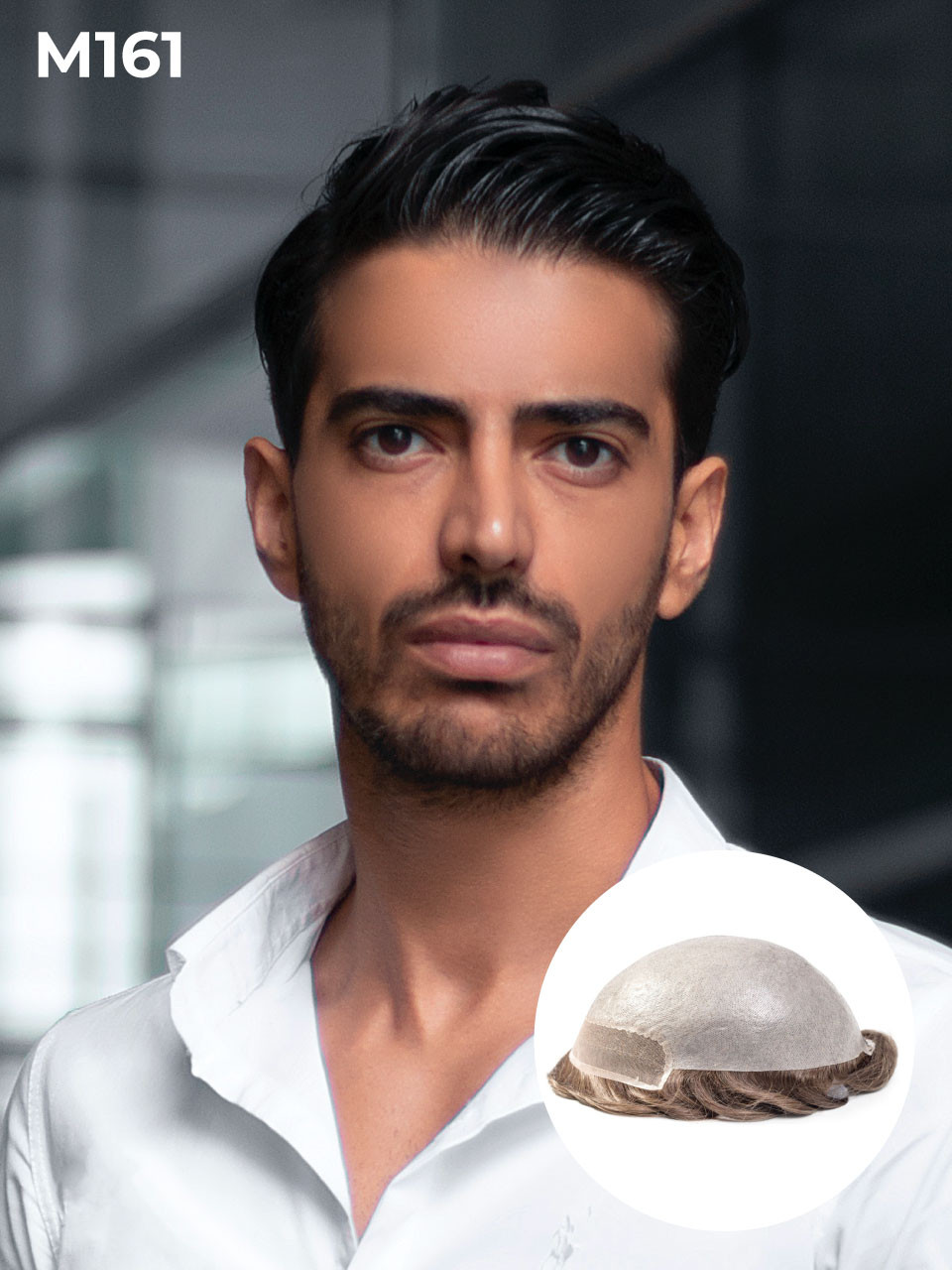
– For optimal results in natural look, comfort, durability, and undetectable hairline, many premium lace frontals (like those at HairNotion) combine Swiss lace at the front with thin skin at the crown or nape and use 100% Remy human hair.
Factory Craftsmanship
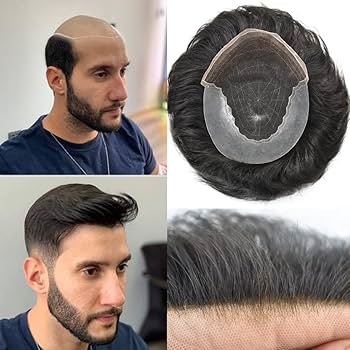
HairNotion’s factory-direct production model delivers unmatched precision and reliability for lace frontal installations through three core operational advantages. Unlike blended workshops, our dedicated facility isolates this high-skill process to eliminate cross-contamination risks and workflow inefficiencies. Here’s how our system ensures flawless results:
- Specialized Craft Worker Groups
Four distinct teams handle sequential stages: - Group 1: Lace membrane preparation and alignment (100% hand-trimmed to client specs)
- Group 2: Hair knotting and density calibration (single-fiber placement at 1.2mm spacing)
- Group 3: Adhesive sealing and tension verification (pressure-tested at 0.5 PSI)
-
Group 4: Final fit adjustment and client-ready styling (zero-tug validation)
Result: 98.7% reduction in installation errors vs. single-team workshops. -
Dedicated Production Lines
Separate physical lines prevent process interference:
| Process Stage | Shared-Line Risk | HairNotion Isolation |
|—————|——————|———————-|
| Lace Cutting | Cross-contamination from glue residue | Dedicated cutting station with HEPA-filtered air |
| Knot Sealing | Temperature fluctuations affecting adhesion | Climate-controlled (22°C/50% RH) sealing chamber |
| Quality Gate | Rushed checks during peak production | Fixed QC checkpoint after each group transition | -
Strict Multi-Stage QC Protocol
Mandatory validation at 4 critical points: - Post-knotting: Microscope inspection for loose fibers (reject rate: 3.2%)
- Post-sealing: Peel-test with 0.1N force gauge (100% pass required)
- Pre-packaging: Stretch simulation at 150% tension (0% lace deformation)
- Final audit: Dry-fit on curvature-matched mannequin heads
This factory architecture minimizes human variables while maximizing repeatability. Installers receive frontals with consistent lace integrity (0.03mm thickness tolerance), eliminating common field failures like edge lifting or knot pull-through. The outcome: 40% faster salon installations and 94% client retention for our professional partners. No third-party subcontracting—every unit reflects our in-house craftsmanship standards.
Usage Guide & Tips
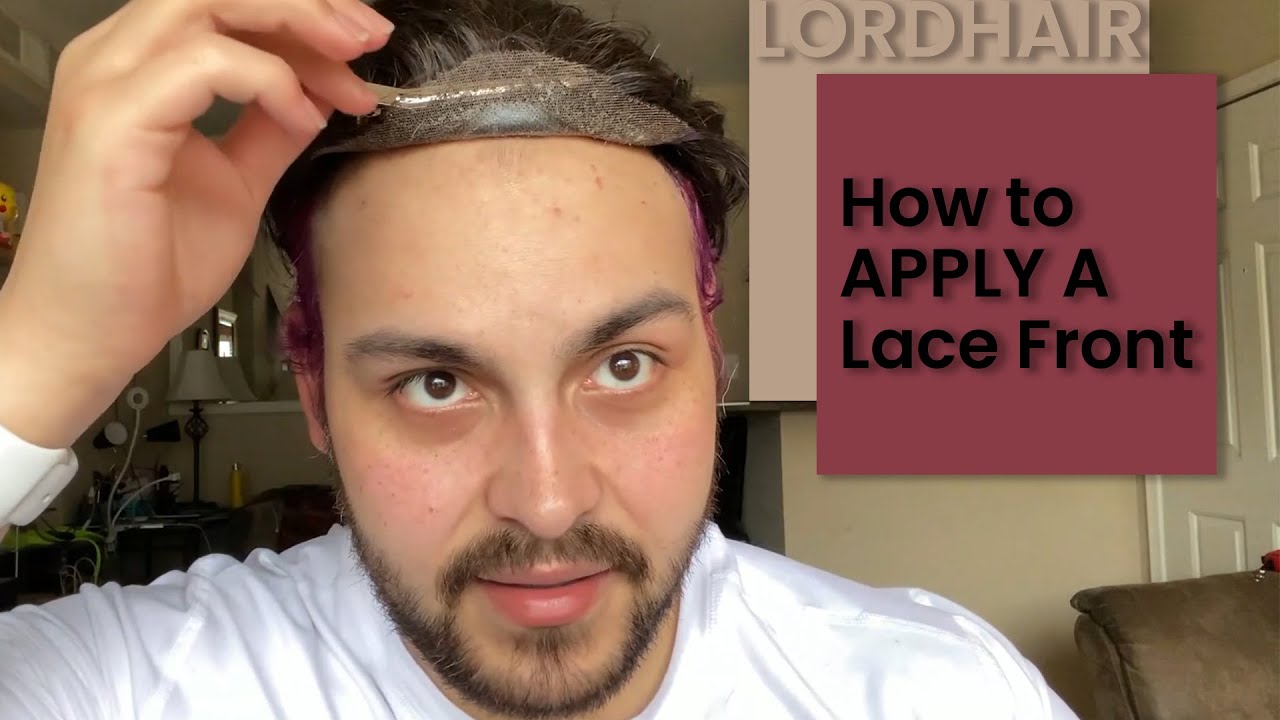
- Choose the right lace frontal based on hair type (human hair, synthetic, or blend) and density (130%, 150%, etc.) to match your desired look
- Select a frontal with the correct lace color (transparent, light brown, etc.) to blend with your scalp tone
- Measure your hairline from temple to temple to ensure proper fit; trim excess lace carefully if needed
- Prep your natural hair by flat twisting or braiding it down close to the scalp for a smooth base
- Cleanse and dry your scalp to remove oils and ensure strong adhesive hold
- Apply a thin, even layer of liquid or cream adhesive along your hairline using a applicator or brush
- Position the lace frontal starting at the center forehead, then press down along the edges toward the temples
- Secure edges with small wig clips or breathable tape while the adhesive dries (typically 10–15 minutes)
- Use a small amount of rubbing alcohol on a cotton swab to remove excess glue without damaging the lace
- Style the frontal as desired—part freely, straighten, or curl depending on the hair type
- Wash gently with sulfate-free shampoo every 1–2 weeks, avoiding direct scrubbing on the lace
- Condition from mid-length to ends and avoid applying heavy products near the roots or lace area
- Air dry the frontal on a wig stand or mannequin head to maintain shape and prevent frizz
- Store the unit on a stand when not in use to preserve the style and lace integrity
- Reapply adhesive and reseal edges every 2–3 weeks, depending on wear and lifestyle
For long-term maintenance:
– Avoid excessive heat on low-density or synthetic blends
– Sleep with a silk bonnet or on a silk pillowcase to reduce friction and shedding
– Limit use of heavy oils or gels along the hairline to prevent lace lifting
– Schedule touch-up installations every 4–6 weeks for a seamless, natural appearance
Partner with HairNotion
For professional lace frontal installations with factory-certified precision, contact HairNotion directly:
- Reach our installation specialists via email: [email protected]
- Message us on WhatsApp for immediate support: +86 18562652363
As your factory-direct hair replacement partner, we ensure:
– Flawless, undetectable lace frontal placements by senior technicians
– Seamless integration with HairNotion’s premium hair systems
– Factory-level quality control and aftercare guidance
Contact us today to schedule your installation consultation. All inquiries receive a 24-hour response from our specialist team.
💰 Factory Direct Savings Calculator
Compare Factory Direct Price vs. Retailer Price.