

Article Contents
Understanding Bad Toupees
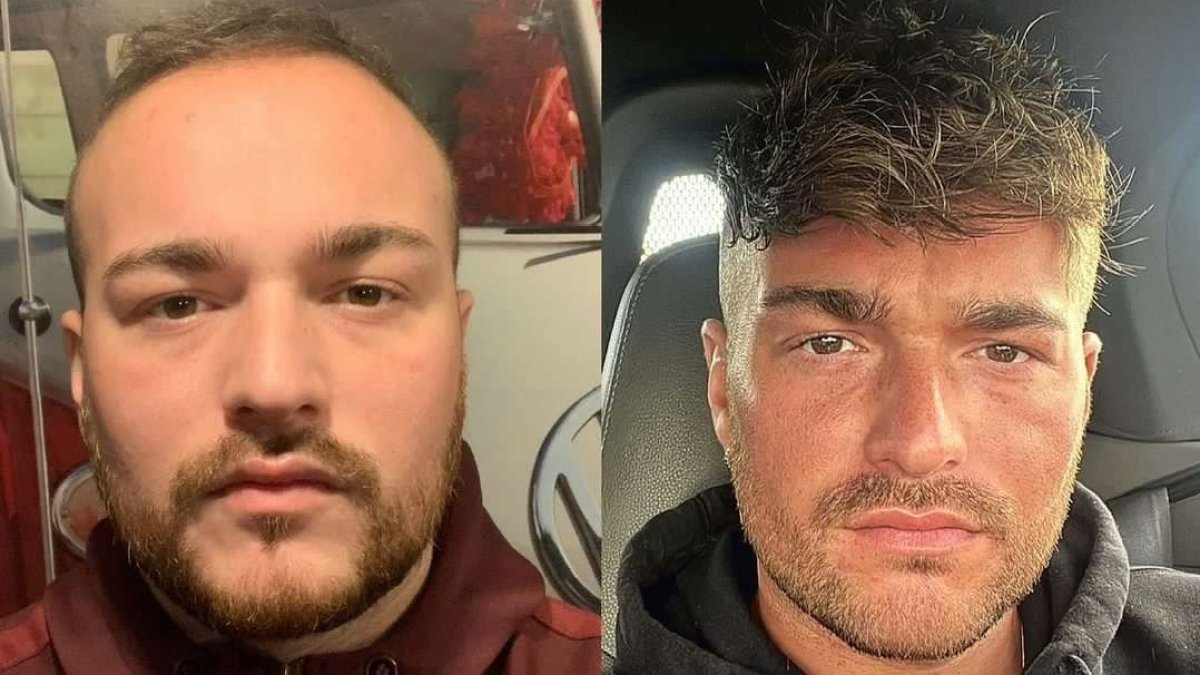
For decades, the word “toupee” has carried a stigma — thin, shiny, ill-fitting hairpieces that look anything but natural. At HairNotion, we believe that bad toupees don’t reflect the potential of hair replacement — they only reflect poor craftsmanship and outdated methods.
As a factory-direct brand with over 30 years of specialized expertise, HairNotion was built on a simple but powerful principle: GOD = CLIENT. This means your needs, your expectations, and your confidence come first — above all else. We don’t sell through middlemen or markup for retail. Instead, we use our decades of manufacturing experience to deliver high-quality, custom-fit toupees directly to you — designed to look natural, feel comfortable, and restore confidence.
No more compromises. With HairNotion, you’re not getting just another hairpiece — you’re getting the result of 30 years of innovation, precision, and a promise that puts you at the center of everything we do.
Base Materials & Quality Specs

Below is a technical comparison of base materials commonly associated with low-quality toupees (“bad toupees”) that fail to meet critical standards for natural appearance, comfort, durability, and undetectable hairlines. As a factory manager, I emphasize that these shortcomings stem from substandard materials, poor craftsmanship, or incorrect application—not inherent flaws in the premium versions of these materials.
Important Clarification:
– Remy Hair refers to hair quality (cuticle-aligned human hair), not a base material. Low-grade toupees often pair Remy hair with inferior bases, negating its benefits.
– “Bad toupees” typically use cheap imitations of Swiss Lace/Thin Skin (e.g., thick, non-breathable synthetics). True Swiss Lace and Thin Skin are premium materials when sourced and crafted correctly.
Comparison of Low-Quality Base Materials in “Bad Toupees”
Data reflects factory observations of substandard products (cost-cutting materials, non-breathable adhesives, poor knotting)
| Specification | Cheap Swiss Lace Imitation | Cheap Thin Skin Imitation | Low-Grade Monofilament (Common Alternative) |
|---|---|---|---|
| Base Material | Thick, stiff polyester mesh (0.18–0.25mm). Often dyed poorly, causing visible “halo” effect. | PVC or silicone (0.3–0.5mm). Non-porous, traps sweat/heat. | Low-density nylon (0.15–0.20mm). Easily torn, lacks flexibility. |
| Life Span | 1–3 months (adhesive fails rapidly; lace yellows/stretches). | 2–4 months (peels at edges; cracks with temperature changes). | 3–6 months (snags easily; knots pull out with minimal friction). |
| Realism | Poor. Mesh too thick to blend; hairline appears “floating” or artificial. Knots often oversaturated with dark dye. | Very Poor. Shiny surface reflects light; no translucency. Hairline looks painted-on, not rooted. | Moderate. Thin but unnatural sheen; hair density appears sparse or “doll-like.” |
| Durability | Low. Tears during washing; sensitive to humidity. Adhesive bonds fail with sweat/oils. | Low-Moderate. Resists water but degrades with UV/sweat. Edges lift quickly, exposing tape residue. | Very Low. Snags on brushes; knots unravel with light friction. Cannot withstand daily wear. |
| Critical Failure Modes | – Visible mesh through thin hair – Adhesive irritation (non-breathable) – Hairline “blisters” with movement |
– Sweat buildup causes slippage – Shiny appearance under light – Unnatural “plastic” edge at forehead |
– Hair falls out in clumps – Base rips during styling – Noticeable “grid” pattern through hair |
Key Factory Insights on Preventing “Bad Toupee” Outcomes
- Natural Look Failure: Caused by thick bases (≥0.2mm) that cast shadows, making hairlines obvious. Premium Swiss Lace (0.03–0.05mm) is virtually invisible when applied correctly.
- Comfort Failure: Non-breathable bases (e.g., cheap Thin Skin) trap heat/sweat, causing itching and slippage. Solution: Use medical-grade breathable membranes.
- Durability Failure: Cheap adhesives and poor knotting cause early shedding. Solution: Double-knotted Remy hair + cyanoacrylate-free adhesives.
- Undetectable Hairline Failure: Oversaturated knots or dyed bases create harsh outlines. Solution: Root shadowing techniques + undyed lace.
At HairNotion, we reject all materials failing our <0.1mm thickness tolerance and breathability tests. A “bad toupee” is always a result of compromised sourcing—never inherent to the material itself. For reference, our premium Swiss Lace bases last 8–12 months with proper care, while Thin Skin (0.08mm medical silicone) offers 6–9 months of undetectable wear.
Note: Remy hair quality is irrelevant if paired with these substandard bases. Always verify base material specs—not just hair type—when assessing value.
Factory Craftsmanship
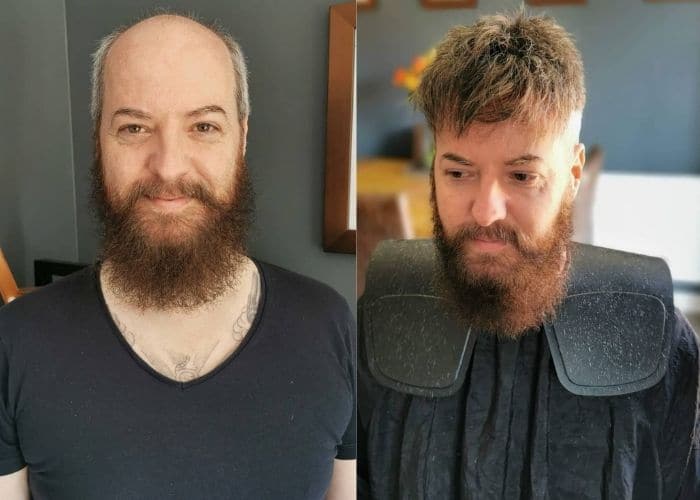
At HairNotion, our factory advantage ensures superior quality and consistency—especially when addressing challenges associated with “bad toupees” commonly found in the market. Our dedicated manufacturing system is built on four key pillars:
-
Four Specialized Craft Worker Groups
We employ four distinct teams of skilled artisans, each specializing in a critical phase of toupee production: base construction, hair integration, density matching, and final finishing. This division of labor allows for mastery at every stage, minimizing errors that lead to unnatural appearance, poor fit, or early wear-out. -
Separate Production Lines
Unlike mass-market manufacturers that consolidate processes, HairNotion operates separate production lines for different base types (lace, poly, silk, hybrid) and hair types (human, synthetic, blended). This prevents cross-contamination, ensures material integrity, and allows precise environmental and procedural controls tailored to each product line. -
Strict Quality Control (QC) Protocol
Every toupee passes through 7 mandatory QC checkpoints—from raw material inspection to final steam-setting. Each unit is individually reviewed for knot consistency, hair alignment, base adhesion, and comfort fit. Any unit failing even one criterion is rejected or reworked, ensuring only flawless products reach clients. -
Factory-Direct Precision
By managing the entire process in-house—from R&D to packaging—we eliminate third-party inconsistencies. This vertical control allows immediate correction of defects and continuous refinement of techniques to avoid common issues like shedding, visible edges, or scalp irritation.
The result is a toupee that avoids the pitfalls of poorly made alternatives: no uneven hair distribution, no weak bonding, and no one-size-fits-all compromise. HairNotion delivers a natural, durable, and comfortable hair replacement—crafted with precision, verified with rigor.
| Feature | Typical “Bad Toupee” Production | HairNotion Factory Advantage |
|---|---|---|
| Workforce Structure | Generalized labor | 4 specialized craft groups |
| Production Setup | Shared or batch lines | Separate, material-specific lines |
| Quality Checks | End-of-line sampling (random) | 7-stage 100% unit inspection |
| Defect Rate | High (5–15% estimated) | <2% (internally measured) |
| Correction Process | Often delayed or outsourced | Immediate in-factory rework |
Usage Guide & Tips
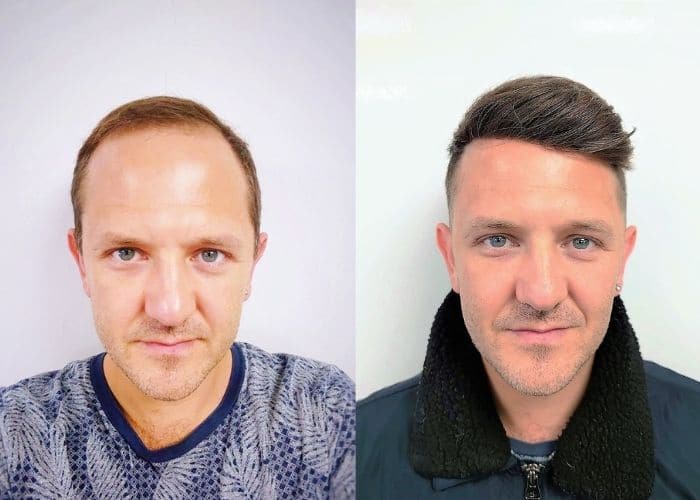
Selection & Maintenance Guide for Low-Quality Toupees
Note: “Bad toupees” typically refer to units with poor materials, weak construction, or inadequate craftsmanship. While we strongly recommend investing in quality units (like HairNotion’s medical-grade options) for safety and longevity, this guide provides damage-control steps if you must use compromised products.
Selection Tips (What to Check Before Purchase)
- Inspect the base material for thinness, tears, or excessive stiffness; avoid units where lace/mesh feels brittle or see-through.
- Check hair density—patchy areas, visible knots, or uneven texture indicate poor manufacturing.
- Test adhesion points; weak tape tabs or uneven edges will cause premature lifting.
- Smell for strong chemical odors (e.g., acetone), signaling unsafe solvents or incomplete processing.
- Avoid units priced significantly below market rate; sub-$100 toupees often use synthetic fibers that melt easily and non-breathable bases.
Maintenance Protocol (Minimizing Further Damage)
- Wash only when visibly soiled, using cool water and sulfate-free shampoo; never scrub vigorously—swish gently for 30 seconds max.
- Air-dry flat on a wig stand; never use heat tools (blow dryers, curling irons) as synthetic fibers degrade rapidly.
- Store loosely covered in a breathable bag (e.g., cotton pillowcase); never fold or compress the unit.
- Limit wear time to 4–6 hours daily; prolonged use accelerates base deterioration and skin irritation.
- Replace adhesive daily; old glue buildup stresses weak bases, causing tears.
- Discontinue use immediately if shedding exceeds 20 hairs per wash, or if the base develops holes—continued wear risks scalp injury.
Critical Note: Low-quality toupees pose health risks (allergic reactions, scalp abrasions) and rarely last beyond 1–2 months. For safety and value, we advise upgrading to Remy human hair or medical silicone bases. HairNotion factory-direct units undergo 12-point quality checks—contact us for budget-friendly durable alternatives. Never compromise scalp health for short-term savings.
Partner with HairNotion
If you’re dealing with poor-quality toupees or have concerns about your current hair replacement, we’re here to help.
We specialize in premium, natural-looking hair systems designed for comfort, durability, and a seamless appearance. Upgrade from bad toupees with custom solutions crafted at our factory.
For a better solution, contact us today:
– Email: [email protected]
– WhatsApp: +86 18562652363
Let us help you restore confidence with a toupee that truly fits your needs.
💰 Factory Direct Savings Calculator
Compare Factory Direct Price vs. Retailer Price.