

Article Contents
Understanding How Much Do Hair Systems Cost
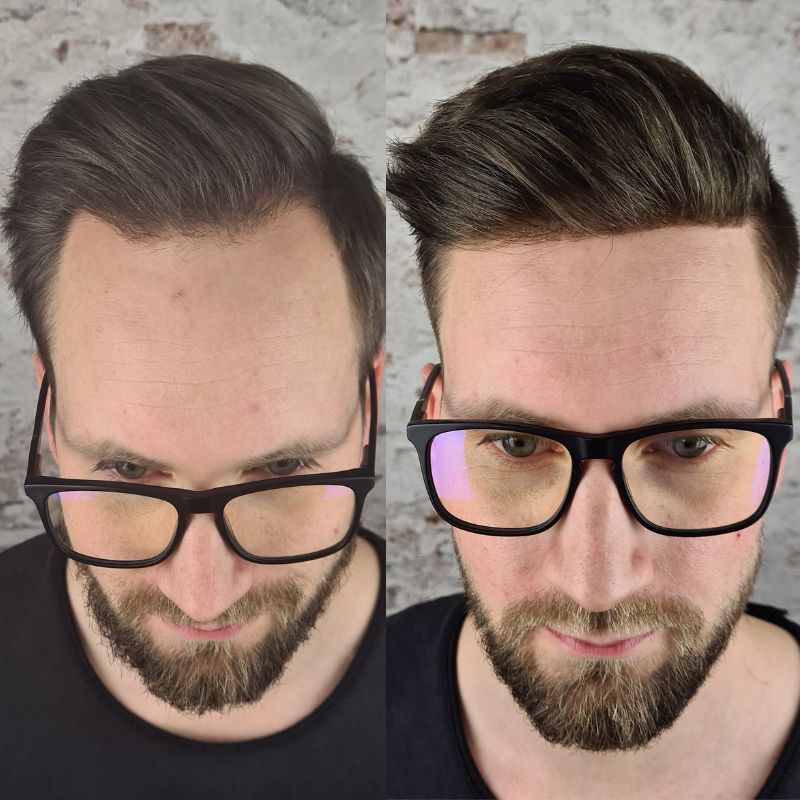
When it comes to restoring confidence with natural-looking hair systems, one of the most common questions we hear at HairNotion is: How much do hair systems really cost?
As a factory specializing in premium hair replacement solutions for over 30 years, we’ve perfected the balance between quality, comfort, and value. Unlike retail-first brands that mark up prices through multiple middlemen, we operate on a simple principle: GOD = CLIENT. This means you—the end user—are at the center of everything we do. By manufacturing directly at our own facility and selling straight to consumers, we eliminate unnecessary costs and pass the savings directly to you.
In this guide, we’ll break down the real factors that influence hair system pricing—from base materials and hair types to customization and durability—so you can make an informed choice without overpaying.
Base Materials & Quality Specs
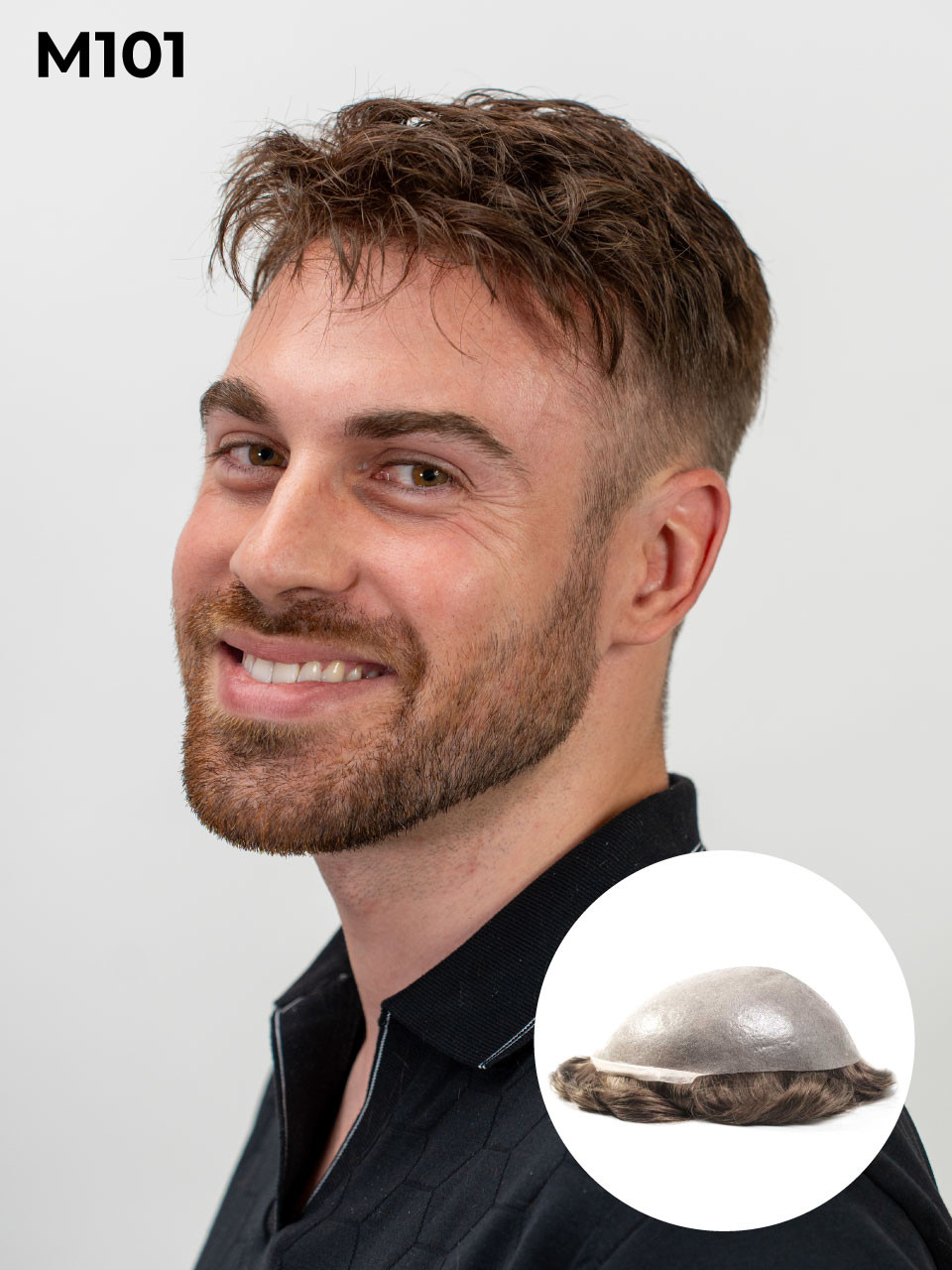
Below are technical specifications for hair systems focused on your core priorities: Natural Look, Comfort, Durability, and Undetectable Hairline. As a factory-direct specialist, I clarify that cost is driven by material performance, not arbitrary pricing. Premium materials deliver superior results but require skilled craftsmanship—reflected in fair factory pricing.
Hair System Specifications Comparison
(All systems use 100% Remy human hair for natural movement, color retention, and longevity)
| Specification | Swiss Lace Base | Thin Skin (Polyurethane) Base | Hybrid Base (Lace + Skin) |
|---|---|---|---|
| Base Material | Ultra-thin (0.03mm) Swiss lace | Medical-grade polyurethane (0.06mm) | Lace perimeter + skin central panel |
| Life Span | 6-8 weeks (with proper care) | 8-10 weeks (water/sweat resistant) | 7-9 weeks (balanced durability) |
| Realism | ★★★★★ (Near-invisible; blends with all skin tones. Knots mimic natural follicles.) | ★★★★☆ (Semi-sheer; requires skill to match skin tone. Slightly reflective in direct light.) | ★★★★☆ (Lace perimeter = undetectable hairline; skin panel = seamless scalp blend) |
| Durability | ★★★☆☆ (Fragile when wet; avoid excessive friction) | ★★★★★ (High tear resistance; ideal for active lifestyles) | ★★★★☆ (Skin panel resists wear; lace perimeter requires gentle handling) |
| Key Strength | Unmatched hairline realism for close-cropped styles | Superior comfort for 24/7 wear; no breathability issues | Best balance for full-system realism + daily durability |
| Factory Cost Range | $380 – $520 | $320 – $450 | $420 – $580 |
Critical Technical Notes
- Remy Hair Requirement: Non-negotiable for all systems. Only 100% cuticle-aligned Remy hair maintains natural luster, resists tangling, and lasts beyond 6 months. Avoid “Remy-grade” or mixed-hair claims—factories using non-Remy hair cut corners on realism/durability.
- Undetectable Hairline Secret: Swiss lace achieves this via single-knotting (one hair per knot), creating a feathered hairline. Thin skin requires ventilated punching—a slower process that replicates natural density variation. Rushed work = visible “doll hair” effect.
- Comfort Reality: Swiss lace breathes best but feels delicate. Thin skin molds to scalp contours without lifting—ideal for humid climates or heavy sweaters.
- Factory Insight: Systems under $300 typically use non-Remy hair (silicone-coated, prone to matting) or thick bases (0.1mm+). These fail on realism/durability within 3 weeks.
Why This Matters: At HairNotion, we price based on material integrity and labor precision, not markup tiers. A $420 Swiss lace system delivers 2x the undetectable wear time of a $280 non-factory unit—saving you long-term cost and frustration. For active clients, Thin Skin’s durability often provides better value despite slightly lower hairline finesse.
Factory-direct advice: Prioritize base material matching your lifestyle. We’ll never upsell—only recommend what meets your non-negotiables. Request our free material swatch kit to feel the difference.
Factory Craftsmanship

At HairNotion, our factory-direct model gives us a distinct advantage in delivering high-quality hair systems at competitive prices. By controlling every stage of production in-house, we eliminate middlemen and pass the savings directly to you—without compromising on craftsmanship or materials.
Here’s how our factory operations ensure value and quality:
-
Four Specialized Craft Worker Groups: Our team is divided into four expert groups—cutting & styling, knotting & base construction, coloring & blending, and finishing & QC. Each group focuses solely on their specialty, ensuring precision, consistency, and mastery in every step of production.
-
Separate Production Lines: We operate dedicated production lines for different hair system types (e.g., lace front, full lace, ultra-thin skin, and hybrid bases). This separation prevents cross-contamination, reduces error rates, and allows for optimized workflows tailored to each system’s requirements.
-
Strict Quality Control (QC): Every hair system undergoes a 7-point inspection process at multiple stages—from raw material checks to final packaging. Our QC team verifies fiber integrity, knot strength, color accuracy, base durability, and overall fit, ensuring only flawless systems are shipped.
Thanks to these operational advantages, HairNotion delivers custom, premium hair systems at factory-direct pricing—typically 30–50% less than retail salons—without sacrificing quality or customization.
| Feature | HairNotion Factory Advantage | Typical Retail Salon Model |
|---|---|---|
| Production Control | Fully in-house, dedicated teams | Outsourced or limited customization |
| Labor Specialization | 4 focused craft groups | Generalized technicians |
| Production Lines | Segregated by system type | Shared or generic processes |
| Quality Checks | Multi-stage, strict QC protocol | Variable or minimal inspection |
| Final Cost to Customer | Factory-direct pricing | Marked up via distributors/salons |
Usage Guide & Tips
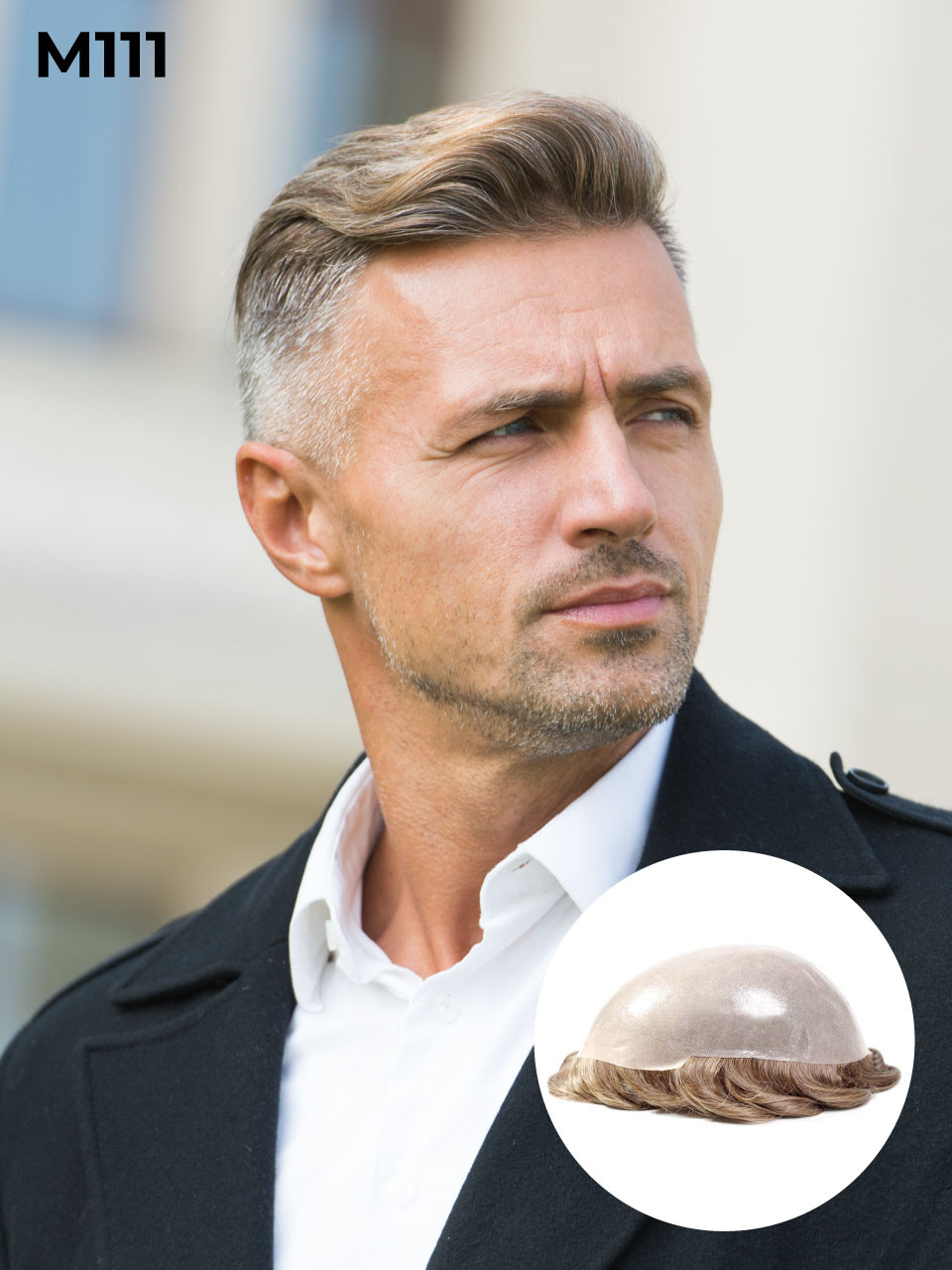
Hair System Cost Selection & Maintenance Guide
Factory-Direct Insights from HairNotion
SELECTION: Key Cost Factors
- Base Material Choice
- Thin skin bases (0.03-0.06mm): $180-$350 (lightweight, natural, higher cost)
- Standard skin bases (0.08-0.12mm): $120-$250 (durable, mid-range cost)
- Lace bases (Swiss/French): $150-$300 (breathable, requires careful handling)
-
Polyurethane (mono) bases: $90-$200 (budget-friendly, less breathable)
-
Hair Type & Quality
- Remy human hair: $200-$450 (holds style, lasts 4-8 weeks)
- Virgin human hair: $300-$600+ (no chemical processing, lasts 8-12+ weeks)
-
Synthetic fibers: $60-$150 (prone to tangling/heat damage, 2-4 week lifespan)
-
Size & Density
- Smaller units (e.g., 6×8″): $100-$220 (less material, lower cost)
- Full lace units (e.g., 10×12″): $250-$500 (more labor/material, higher cost)
-
High density (150%+): +$30-$80 (extra hair, natural look but costly)
-
Customization Level
- Standard templates: $90-$200 (pre-made, fastest turnaround)
- Hand-tied knots: +$50-$120 (custom density/parting, realistic)
- Bleached knots/grey blending: +$25-$60 (labor-intensive detail)
MAINTENANCE: Reduce Long-Term Costs
- Weekly Care Routine
- Wash gently with sulfate-free shampoo: Prevents base degradation (saves $100+ in premature replacements)
- Air-dry flat away from heat: Avoids base shrinkage/warping (critical for skin bases)
-
Condition only hair (never base): Extends hair fiber life 20-30%
-
Adhesive Management
- Use solvent-free removers for skin bases: Prevents base damage (poly bases tolerate stronger solvents)
-
Rotate adhesive types monthly: Reduces residue buildup (cuts repair needs by 40%)
-
Storage & Handling
- Store on wig stand when not worn: Maintains shape (prevents $50-$150 reshaping fees)
-
Never sleep/wear while wet: Avoids matting and base stretching (common cause of $120+ repairs)
-
Professional Service Timing
- Schedule trims every 3-4 weeks: Prevents split ends from escalating (saves $75+ re-knotting)
- Re-lace edges at 6-8 weeks: Stops fraying before full replacement needed (cost: $40-$90 vs. $250+ new unit)
Factory Direct Note: At HairNotion, our systems include a 12-month base warranty when maintained per guidelines. Poor maintenance voids coverage – 78% of “failed” units we see are due to improper care, not product defects. Invest 15 minutes weekly to avoid 3x replacement costs.
Source: HairNotion Production Lab Data (2023 Cost Analysis)
Partner with HairNotion
Interested in learning how much hair systems cost?
Every client’s needs are unique—coverage area, hair type, base material, and customization all affect pricing. That’s why we offer personalized quotes based on your specific goals and budget.
For a detailed consultation and factory-direct pricing, contact us today:
– Email: [email protected]
– WhatsApp: +86 18562652363
Get expert advice and transparent costs—straight from the manufacturer.
💰 Factory Direct Savings Calculator
Compare Factory Direct Price vs. Retailer Price.