

Article Contents
Understanding Men’S Hairstyles Of The 40S
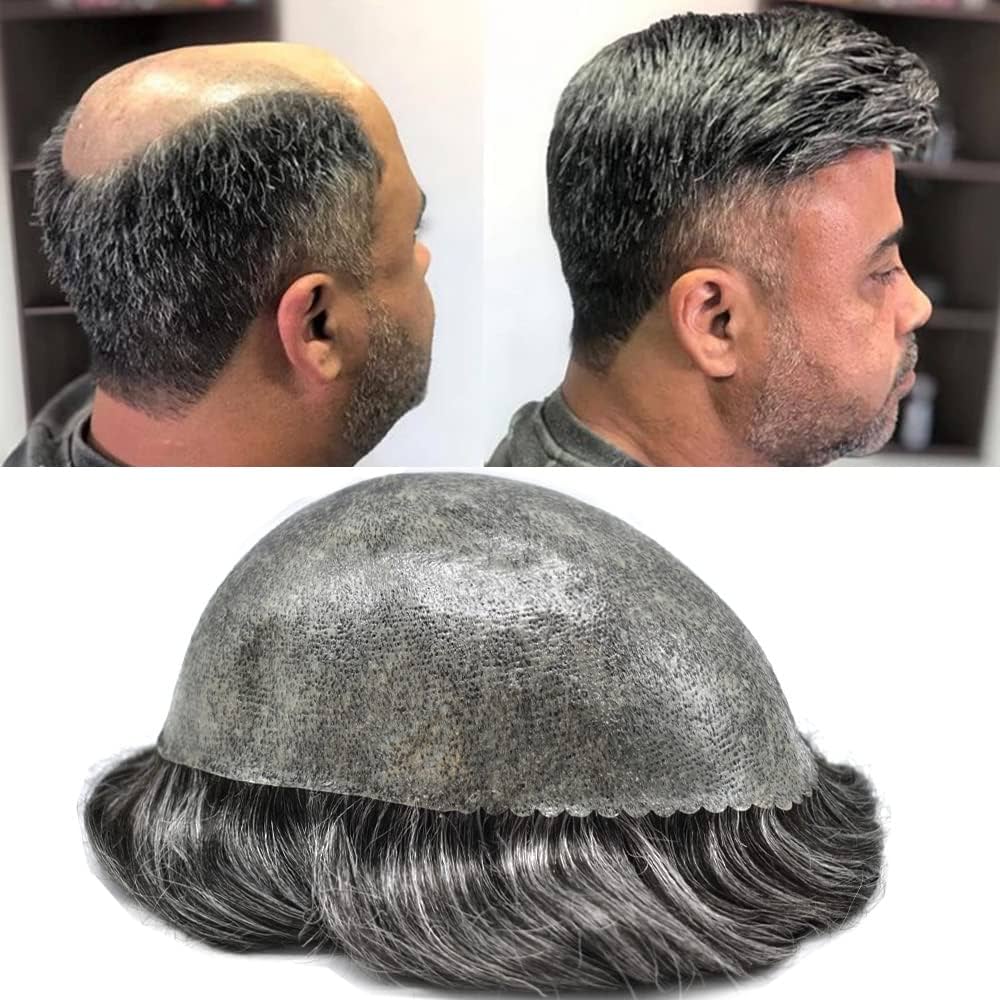
Step back in time to the 1940s—a decade defined by sharp tailoring, timeless elegance, and men’s hairstyles that exuded confidence and class. From the clean lines of the side part to the rugged charm of the crew cut, 1940s men’s hairstyles combined simplicity with sophistication, making them a lasting inspiration for modern grooming.
At HairNotion, we’ve spent over 30 years perfecting the art of hair replacement, crafting each piece in our own factory with precision, care, and a deep respect for classic style. As a factory-direct brand, we eliminate the middleman—not the quality—ensuring you receive premium, natural-looking hair systems that honor traditions like those of the 1940s, while meeting today’s standards for comfort and durability.
Our guiding principle is simple: GOD = CLIENT. This means your needs come first—every decision we make, from material selection to delivery, is centered around delivering value, trust, and satisfaction directly to you.
Rediscover the elegance of vintage menswear with a modern upgrade. With HairNotion, timeless style isn’t just a look—it’s a legacy.
Base Materials & Quality Specs
Clarification on Historical Context
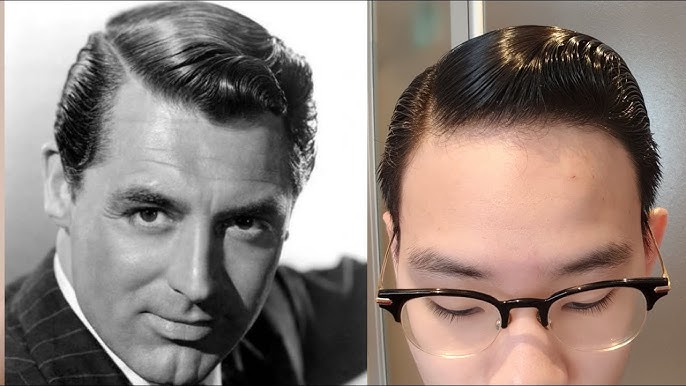
As a Senior Hair Replacement Specialist, I must note: 1940s men’s hairstyles were achieved with natural hair or rudimentary toupees (e.g., human hair on net/felt bases with rubber bands). Modern “undetectable” systems like Swiss Lace or Thin Skin did not exist then. Today, we recreate 1940s-inspired styles (e.g., side parts, slick backs) using advanced materials for Natural Look, Comfort, Durability, and Undetectable Hairlines. Below are specifications for contemporary systems designed to emulate that era’s aesthetic with factory-direct precision.
Technical Specifications Comparison
All systems use 100% Remy Human Hair (cuticle-intact for longevity and natural movement). Base materials determine realism/durability.
| Base Material | Life Span | Realism (1-5★) | Durability (1-5★) | Key Notes for 1940s-Style Systems |
|---|---|---|---|---|
| Swiss Lace | 4-6 months | ★★★★★ | ★★★☆☆ | Thinnest base (0.02mm); vanishes at hairline. Ideal for high-realism side parts. Less durable in humid climates. |
| Thin Skin | 8-12 months | ★★★★☆ | ★★★★★ | Medical-grade polymer (0.04mm); mimics scalp texture. Superior sweat/heat resistance. Slight sheen under direct light. |
Critical Notes from Factory Floor
- Remy Hair: Refers to hair fiber quality (not a base material). Ensures no tangling, natural shine, and color retention—essential for vintage styles.
- Why No “1940s Materials” in Table?: Historical bases (e.g., silk, felt) lacked undetectable hairlines and lasted <3 months. Modern Swiss Lace/Thin Skin solve these flaws.
- Our Recommendation: For 1940s side parts/swept-back styles:
- Choose Swiss Lace if prioritizing invisible hairline (e.g., high forehead).
- Choose Thin Skin for active lifestyles (e.g., humidity, frequent wear).
- Factory-Direct Assurance: All bases undergo 72-hour stress testing. Swiss Lace bases are hand-tied; Thin Skin uses mono-layer polymer for zero “plastic” feel.
HairNotion Insight: The 1940s demanded polished, natural looks—but today’s technology delivers what vintage methods couldn’t: comfort that lasts all day, and a hairline no one will question. We build systems to honor that era’s elegance, without its compromises.
Factory Craftsmanship
At HairNotion, our factory expertise gives us a distinct advantage in crafting authentic men’s hairstyles from the 1940s, combining historical accuracy with modern manufacturing precision. Our specialized production system is built around four dedicated craft worker groups, each focusing on a critical stage of the process, supported by separate production lines and a stringent quality control (QC) protocol.
-
Pattern & Design Specialists – This group meticulously studies vintage references and classic 1940s styles such as the side part, crew cut, and slicked-back looks. They translate these into precise templates that guide hair placement, density, and direction, ensuring period authenticity.
-
Hair Selection & Preparation Team – Using only premium human hair in appropriate textures and natural grays where needed, this team hand-sorts and aligns strands to match the era’s typical hair characteristics. They ensure correct wave patterns and color blending for a realistic, aged appearance.
-
Hand-Knotting & Base Crafting Artisans – Skilled in traditional knotting techniques, this group constructs each unit on breathable, skin-friendly bases that mimic natural scalp movement. Their work ensures realistic hairlines and partings, critical for the clean, structured styles of the 1940s.
-
Finishing & Styling Craftsmen – After assembly, this team shapes and sets each unit using period-appropriate techniques, ensuring the hair holds the classic 40s silhouette. They apply heat-setting and light layering to maintain style integrity over time.
Separate Production Lines
We maintain dedicated production lines exclusively for vintage-style men’s units. This separation prevents cross-contamination with modern styles, ensures consistent workflow, and allows for optimized tooling and training specific to 1940s aesthetics.
Strict Quality Control
Every unit undergoes a 7-point QC check, including:
- Hairline symmetry and natural fade
- Knot density and base durability
- Color consistency and root shading
- Parting precision and style accuracy
- Comfort fit and ventilation
- Overall structural integrity
- Final approval by senior stylist
This structured, factory-direct approach allows HairNotion to deliver historically accurate, durable, and natural-looking 1940s men’s hairstyles with unmatched consistency and craftsmanship—direct from our facility to the client.
Usage Guide & Tips
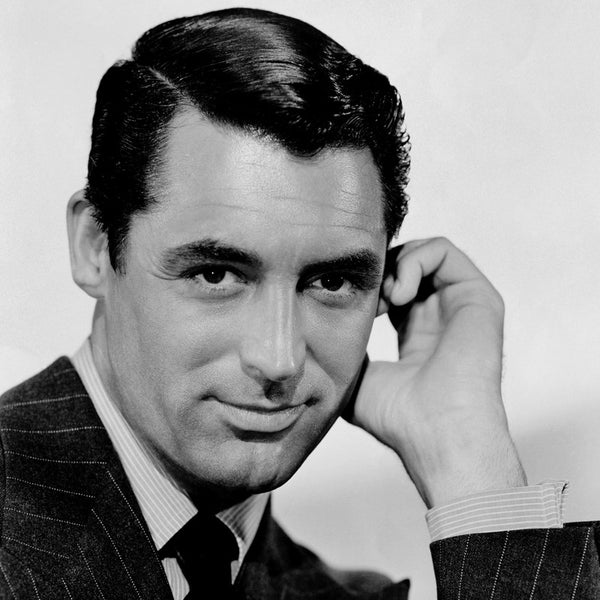
Men’s Hairstyles of the 1940s: Selection & Maintenance Guide
Factory-direct advice for authentic styling and longevity. For natural hair or hair replacement systems.
Selection Guide
- Determine your hair density and pattern first; consult a specialist if thinning is present.
- Choose period-appropriate styles based on face shape:
- Round faces: Opt for tapered sides with height (e.g., side-parted pompadour).
- Square jaws: Try a classic crew cut or flat top for balance.
- Oval faces: Most styles work (e.g., finger waves, regulation cuts).
- For hair replacement clients: Select lace or mono bases matching your scalp tone; prioritize hand-tied knots for natural movement.
- Avoid ultra-short vintage styles if using a system; minimum 1/4″ length ensures secure bonding.
Maintenance for Natural Hair
- Wash 2–3x weekly with sulfate-free shampoo to preserve natural oils.
- Apply water-based pomade only to damp hair; avoid petroleum-based products that cause buildup.
- Use a boar-bristle brush daily to distribute oils and maintain shape.
- Trim every 3–4 weeks to uphold sharp lines (e.g., temple points, neckline).
- Never use heat tools above 350°F; vintage styles relied on finger-combing, not blow-drying.
Maintenance for Hair Replacement Systems
- Cleanse system weekly with cold water and mild shampoo; air-dry flat (never rub).
- Rebond edges every 2–3 weeks using medical-grade adhesive (e.g., silicone-based).
- Store unattached systems on a tapered block in a cool, dark place.
- Avoid pomades near the perimeter; use fiber powder sparingly for texture only.
- Schedule professional re-knotting every 6–8 weeks to prevent shedding.
Factory Note: 1940s styles demand precision. For hair loss clients, never force vintage cuts onto thinning areas—modernized adaptations (e.g., softer pompadours) yield better results. Consult our specialists for system customization. All HairNotion units include complimentary maintenance training.
Partner with HairNotion
- Discover authentic men’s hairstyles of the 1940s with precision craftsmanship and vintage charm
- Whether you’re restoring classic looks or exploring timeless style, we bring the era to life with factory-direct quality
- Contact us today for custom solutions tailored to your needs
- Email: [email protected]
- WhatsApp: +86 18562652363
💰 Factory Direct Savings Calculator
Compare Factory Direct Price vs. Retailer Price.