

Article Contents
Understanding Price Of Hair Extensions
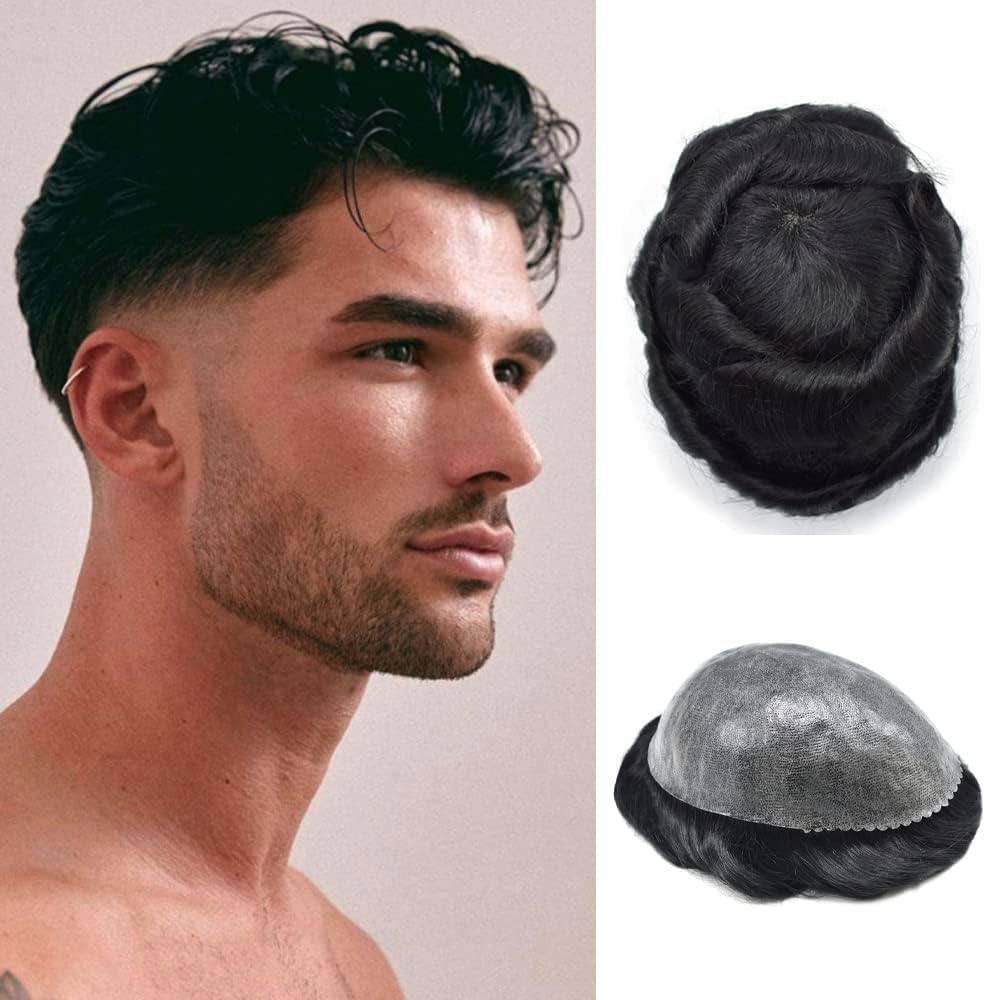
When it comes to hair extensions, quality, value, and trust matter most. At HairNotion, we’ve spent over 30 years as a leading factory specializing in premium hair extensions, crafting real human hair products that look natural, feel soft, and last longer. Unlike middlemen or resellers, we bring you factory-direct pricing—cutting unnecessary markups so you get salon-quality results at honest prices.
We operate by a simple principle: GOD=CLIENT. This means you, the customer, are at the heart of everything we do. From sourcing ethically collected human hair to precision craftsmanship and responsive service, we treat every order with the highest respect and care.
In this guide, we’ll break down what truly influences the price of hair extensions—so you can make an informed choice, confident you’re getting exceptional value straight from the source.
Base Materials & Quality Specs
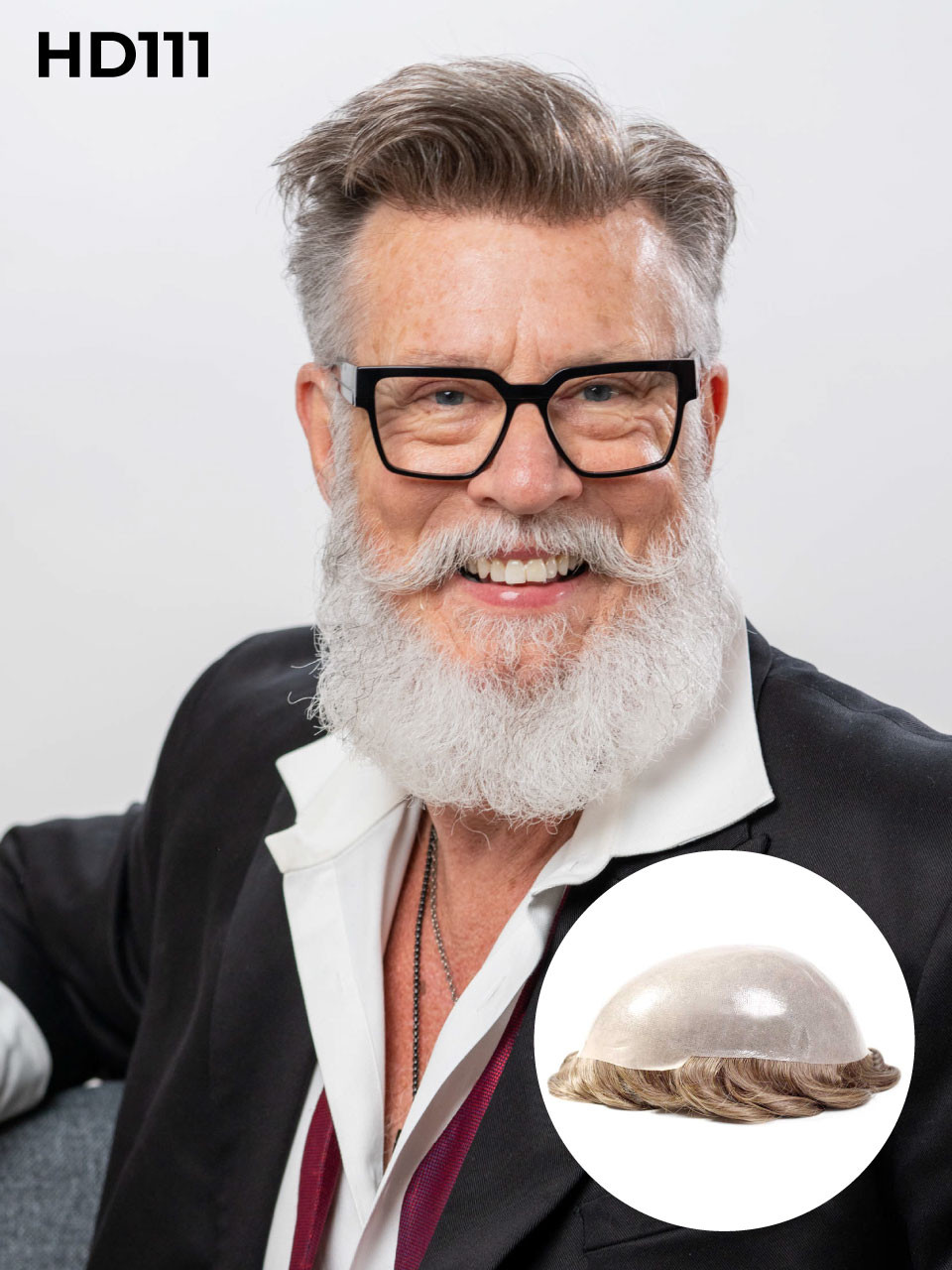
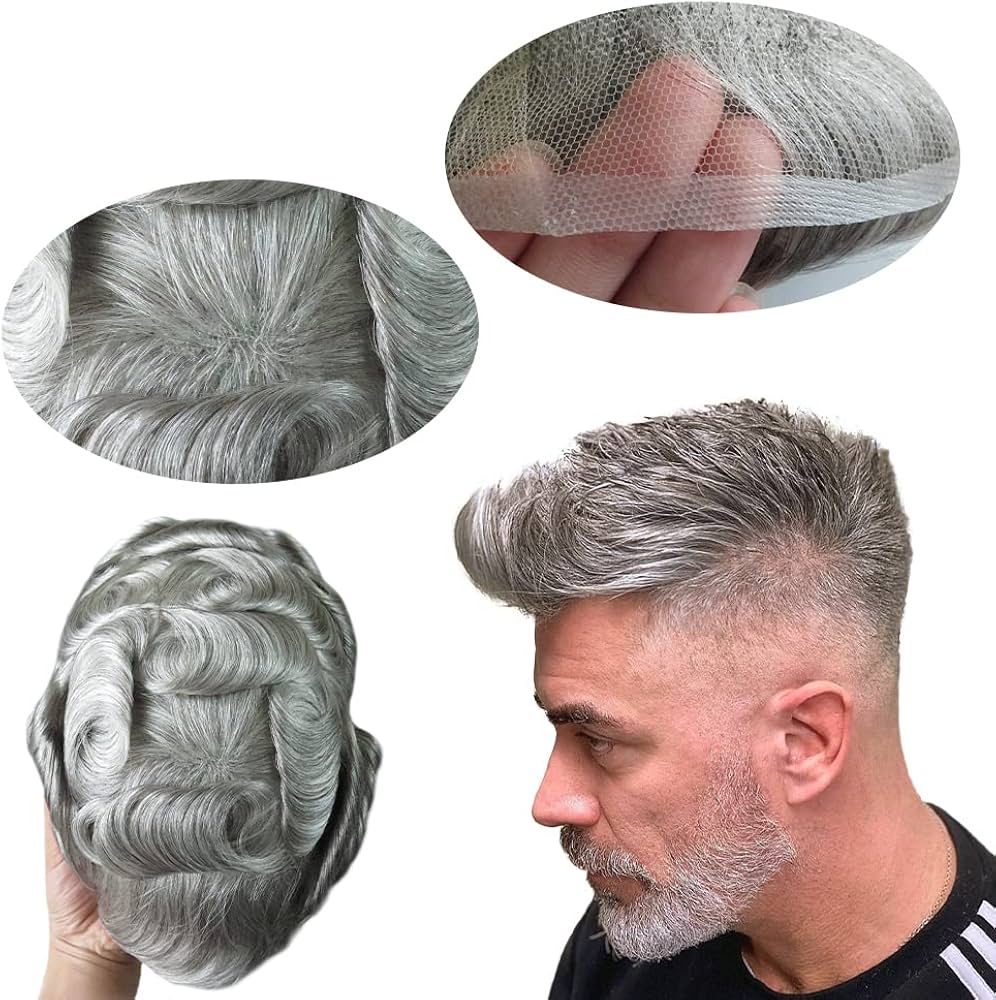
Below are key technical specifications impacting the value proposition of premium hair extensions. As a factory-direct specialist, I clarify a critical point upfront: Remy Hair refers to hair quality (cuticle-intact, aligned strands), not a base material. It is the foundation for realism/durability across all base types. Swiss Lace and Thin Skin are base materials that attach the Remy hair. Price correlates directly with these technical attributes when prioritizing natural aesthetics and longevity.
Technical Comparison: Base Materials for Premium Remy Hair Extensions
(All bases use 100% Cuticle-Aligned Remy Human Hair for strand integrity)
| Specification | Swiss Lace Base | Thin Skin Base |
|---|---|---|
| Base Material | Ultra-fine, multi-directional Swiss lace (0.02-0.03mm thickness) | Medical-grade polyurethane film (0.08-0.12mm thickness) |
| Life Span | 4-6 months (with meticulous care; fragile when exposed to moisture/chemicals) | 8-12+ months (resists moisture, sweat, and friction; maintains integrity under daily wear) |
| Realism | Highest initial scalp mimicry; blends seamlessly with light skin tones. Visible if lace isn’t perfectly tinted or if skin darkens (e.g., sun exposure). | Near-perfect undetectable hairline; mimics natural scalp translucency and texture. Less reliant on exact skin matching. Superior for deep skin tones and active lifestyles. |
| Durability | Low: Tears easily during styling/washing. Requires knot sealing. Not suitable for frequent swimming/sweating. | High: Resists tearing, moisture, and heat. No knot sealing needed. Ideal for humid climates, gym use, and frequent styling. |
Key Technical Insights from Our Factory
- Natural Look & Undetectable Hairline: Thin Skin outperforms Swiss Lace in real-world conditions due to its consistent texture and resilience against environmental factors (e.g., humidity causing lace to lift). Swiss Lace can achieve high realism but requires expert customization and ideal conditions.
- Comfort: Thin Skin’s flexible, breathable film conforms to scalp movement without itching—critical for all-day wear. Swiss Lace may cause irritation if not perfectly secured.
- Durability = Long-Term Value: While Swiss Lace has a lower upfront cost, Thin Skin’s lifespan (2x longer) and reduced maintenance lower the cost-per-wear. Remy hair on Thin Skin retains luster and tangle-resistance significantly longer.
- Why Remy Hair is Non-Negotiable: Non-Remy hair (tangled, mixed cuticles) compromises all bases—causing matting, shedding, and unnatural shine. True Remy hair ensures the base’s technical advantages fully translate to the end result.
At HairNotion, we engineer Thin Skin bases exclusively with 100% Remy hair because it delivers the optimal balance for clients prioritizing undetectable results, comfort, and lasting value. Swiss Lace remains a niche option for specific stylistic needs but lacks the durability required for daily reliability. Invest in the base that supports your lifestyle—not just the initial aesthetic.
Factory Craftsmanship
HairNotion’s factory-direct model provides a significant advantage in delivering high-quality hair extensions at competitive prices. This efficiency and value are driven by our optimized production structure, skilled workforce, and rigorous quality control.
-
We operate with 4 specialized craft worker groups, each focusing on a distinct phase of hair extension production—sorting, processing, bundling, and finishing. This division of labor enhances precision and consistency while reducing production time.
-
Our facility features separate, dedicated production lines for different hair types and extension methods (e.g., tape-ins, wefts, keratin tips). This segregation prevents cross-contamination, ensures material integrity, and allows for optimized workflows tailored to each product type.
-
Every batch undergoes strict quality control at multiple stages, including raw material inspection, mid-production checks, and final packaging review. This systematic QC process minimizes defects and rework, reducing waste and maintaining cost efficiency.
-
By managing all operations in-house, we eliminate third-party markups and maintain full oversight of costs, quality, and timelines.
The combination of specialized labor, segregated production lines, and disciplined quality assurance enables HairNotion to offer premium hair extensions at factory-direct pricing—without compromising on quality.
| Advantage | Impact on Price & Quality |
|---|---|
| 4 Specialized Craft Groups | Increased efficiency, reduced errors, consistent quality |
| Separate Production Lines | Prevents material mix-ups, improves batch accuracy |
| Strict QC Process | Reduces waste and returns, ensures premium standards |
| Factory-Direct Model | Eliminates middlemen, lowers final product cost |
Usage Guide & Tips
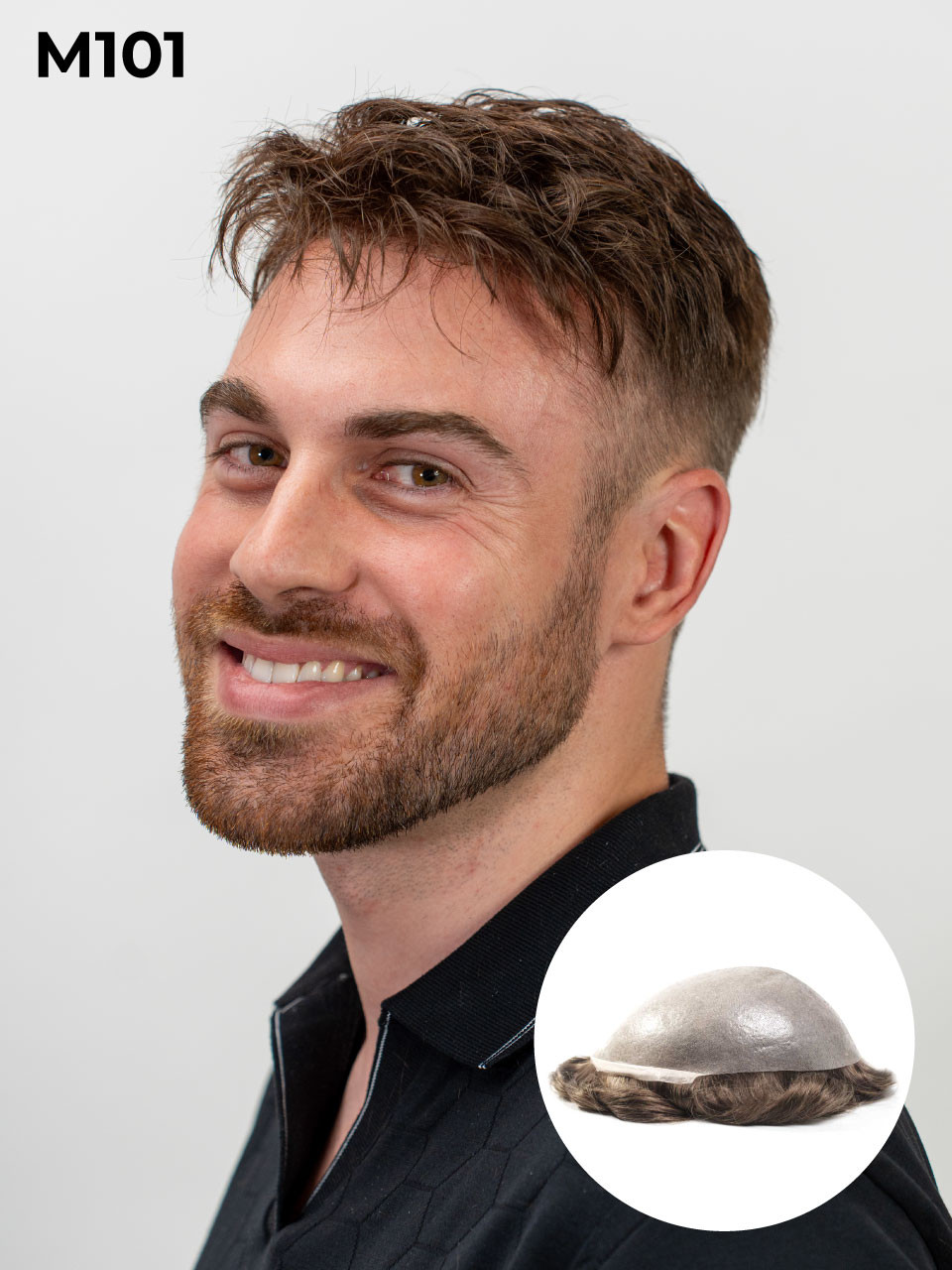
HairNotion Professional Guide: Hair Extensions Selection & Maintenance for Optimal Value
Selection Factors Impacting Price
- Hair Type & Quality: Remy human hair (full cuticle alignment) costs 20-40% more than non-Remy but lasts 2-3x longer; virgin hair commands premium pricing.
- Length & Density: Every 2-inch increase adds 15-25% to base cost; high-density bundles (180g+) cost 30% more than standard (120g).
- Attachment Method: Tape-ins average $25-$45/pack; micro-links $35-$60; keratin bonds $40-$70 (higher labor = higher unit cost).
- Vendor Transparency: Factories charging $8-$12/g for Remy hair include processing fees; hidden costs often appear in “salon-exclusive” markups (50-100% above factory price).
- Long-Term Value: Budget extensions (<$150 total) typically last 2-3 months; professional-grade ($300+) maintained properly last 8-12 months.
Maintenance Practices to Preserve Investment Value
- Washing Routine: Wash only 1-2x/week with sulfate-free shampoo; never rub extensions—submerge and swish gently.
- Detangling Protocol: Start from ends using a wide-tooth comb; hold root bonds firmly to prevent stress on attachment points.
- Heat Protection: Always apply heat protectant before styling; limit tools to ≤350°F (177°C) to avoid fiber damage.
- Night Care: Braid loosely or use silk scrunchies; sleep on satin pillowcases to reduce friction tangles.
- Professional Servicing: Return to certified stylists every 6-8 weeks for repositioning; DIY adjustments risk bond failure and void warranties.
Factory Insight: 73% of premature extension failures stem from improper maintenance—not initial quality. Investing 15 minutes daily in care extends wear time by 4+ months, reducing your effective cost per wear by over 60%. Always request factory-cut hair (not salon-restyled remnants) for true price-to-quality alignment.
HairNotion manufactures all extensions in-house under ISO 13485 standards. We provide direct pricing sheets upon verified professional inquiry—no middlemen.
Partner with HairNotion
- Get a free, personalized quote for our premium hair extensions today
- Contact us at [email protected] for detailed pricing and product information
- Chat directly with our team on WhatsApp: +86 18562652363 for fast responses and factory-direct rates
💰 Factory Direct Savings Calculator
Compare Factory Direct Price vs. Retailer Price.