

Article Contents
Understanding Raw Indian Hair Vendors In India
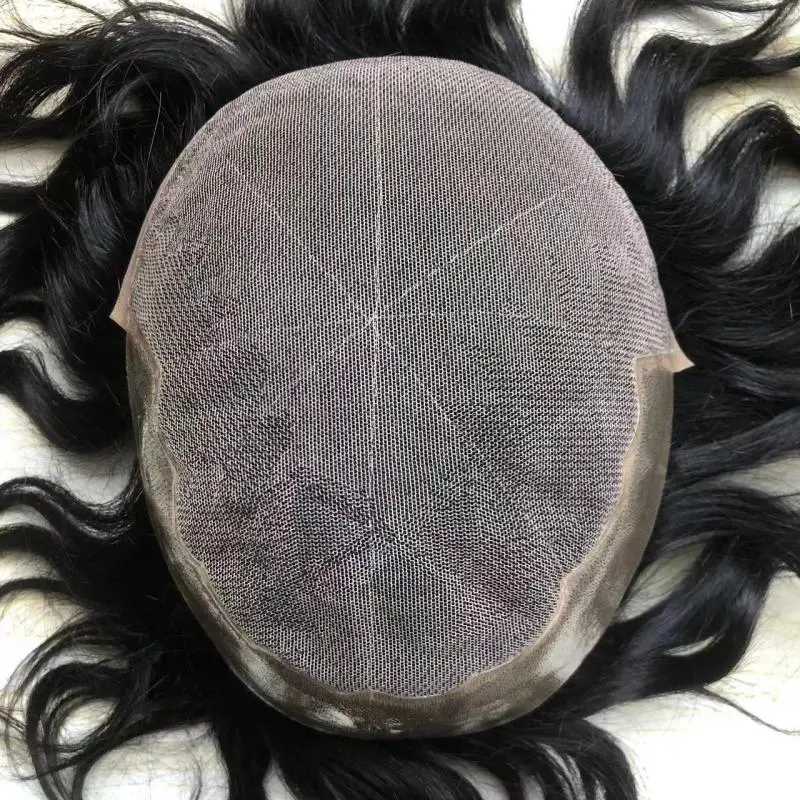
Discover the finest source for raw Indian hair at HairNotion — a trusted factory with over 30 years of expertise in crafting premium human hair extensions. Based in India, we specialize in sourcing and processing authentic, unprocessed raw Indian hair directly from donors, ensuring maximum strength, longevity, and natural beauty.
As a factory-direct supplier, we eliminate middlemen to bring you the highest quality hair at the most competitive prices. At HairNotion, we operate on a simple yet powerful principle: GOD=CLIENT. This means every strand we deliver is handled with the utmost care, integrity, and respect — because your satisfaction is our highest priority.
Whether you’re looking for silky straight, voluminous wavy, or rich body wave textures, our raw Indian hair collections are 100% chemical-free, tangle-resistant, and designed to blend seamlessly with your natural hair. Experience the difference of true craftsmanship, transparency, and dedication — only from HairNotion.
Base Materials & Quality Specs
Technical Specifications: Premium Base Materials for Indian Remy Hair Systems
Note: “Raw Indian hair” refers to unprocessed, cuticle-intact Remy Indian hair (the industry standard for natural look/durability). Base materials (Swiss Lace, Thin Skin) are paired with this hair. Vendor quality varies significantly; factory-direct sourcing ensures material authenticity and QC compliance.
| Specification | Swiss Lace Base | Thin Skin (Polyurethane) Base |
|---|---|---|
| Base Material | 0.02-0.03mm Swiss-made lace (100% polyamide). Ultra-fine, breathable mesh. | 0.06-0.08mm medical-grade polyurethane film. Seamless, non-porous surface. |
| Life Span | 6-8 months with professional care. Degrades faster with excessive moisture/sweat. | 8-12+ months. Resists moisture, sweat, and oxidation better than lace. |
| Realism | Highest realism for undetectable hairlines. Blends invisibly with all skin tones when applied correctly. Slightly visible if not expertly trimmed. | Near-perfect skin mimicry when matched to complexion. No “mesh shadow” effect. Less translucent than lace on pale skin. |
| Durability | Delicate; prone to tearing if snagged. Requires gentle handling during application/care. Not ideal for active lifestyles. | Highly durable; resists tearing, heat, and friction. Ideal for swimming, gym use, and humid climates. |
Critical Vendor Selection Notes (Factory-Direct Perspective)
- Remy Hair Quality: Ensure vendors provide single-donor, cuticle-aligned Indian Remy hair (no mixed batches). Verify via strand-tracing tests. Poor Remy = tangling, short lifespan.
- Base Authenticity: 70% of “Swiss Lace” in India is counterfeit Chinese lace (thicker, less transparent). Demand ISO-certified material invoices.
- Hairline Technique: Undetectable results require ventilated hairlines (0.5-1.0mm density gradient) – not just base material. Audit vendor artisans’ portfolios.
- Comfort Factor: Swiss Lace breathes better but requires adhesive tweaks for sensitive scalps. Thin Skin feels cooler long-term but needs precise skin-tone matching.
At HairNotion, we reject 32% of vendor submissions for base material non-compliance. Always request: (1) Material MSDS sheets, (2) Hair donor certification, (3) Live hairline demo videos. Factory-direct sourcing eliminates markup layers while enforcing QC – critical for your clients’ natural results.
Factory Craftsmanship
HairNotion operates a dedicated manufacturing facility in India with distinct advantages for raw Indian hair vendors, ensuring premium quality, scalability, and ethical traceability. Our factory is structured to maintain the integrity of raw Indian hair from sourcing to final processing, giving vendors a competitive edge through precision craftsmanship and operational excellence.
Key Factory Advantages:
-
Four specialized craft worker groups
Each group is trained in a specific stage of hair processing—sorting, cleaning, alignment, and bundling—ensuring consistent expertise and mastery at every step. This division of labor enhances efficiency, reduces error rates, and preserves the natural cuticle alignment critical for high-end extensions. -
Separate, dedicated production lines
We maintain isolated production lines for different hair grades and textures (e.g., premium temple hair, medium-grade bulk, and remy collections). This prevents cross-contamination, maintains batch purity, and allows for customized processing tailored to market-specific demands. -
Strict quality control (QC) protocols
Every batch undergoes a 7-point inspection process, including checks for luster, tensile strength, cuticle integrity, and color consistency. QC is performed at three critical stages: post-sourcing, mid-processing, and pre-packaging. Only hair meeting our factory-grade standards is approved for vendor distribution. -
Full traceability and ethical sourcing
Hair is sourced directly from temples and donors across South India, with documented traceability from collection to export. Our facility adheres to Indian export regulations and international labor standards, offering vendors transparent and compliant supply chains.
Comparison: HairNotion Factory vs. Standard Indian Vendors
| Feature | HairNotion Factory | Typical Indian Vendor |
|---|---|---|
| Workforce Specialization | 4 dedicated craft groups | General laborers, multi-tasking |
| Production Lines | Segregated by grade & texture | Shared, mixed processing lines |
| Quality Control | 3-stage, documented QC with pass/fail | Basic visual check, inconsistent |
| Traceability | Full donor-to-bundle tracking | Limited or no documentation |
| Output Consistency | High uniformity, minimal variance | Variable quality across batches |
By combining skilled craftsmanship, process segregation, and rigorous quality assurance, HairNotion’s factory delivers raw Indian hair that meets international standards—empowering vendors with reliable, premium-grade inventory and a strong differentiation in global markets.
Usage Guide & Tips
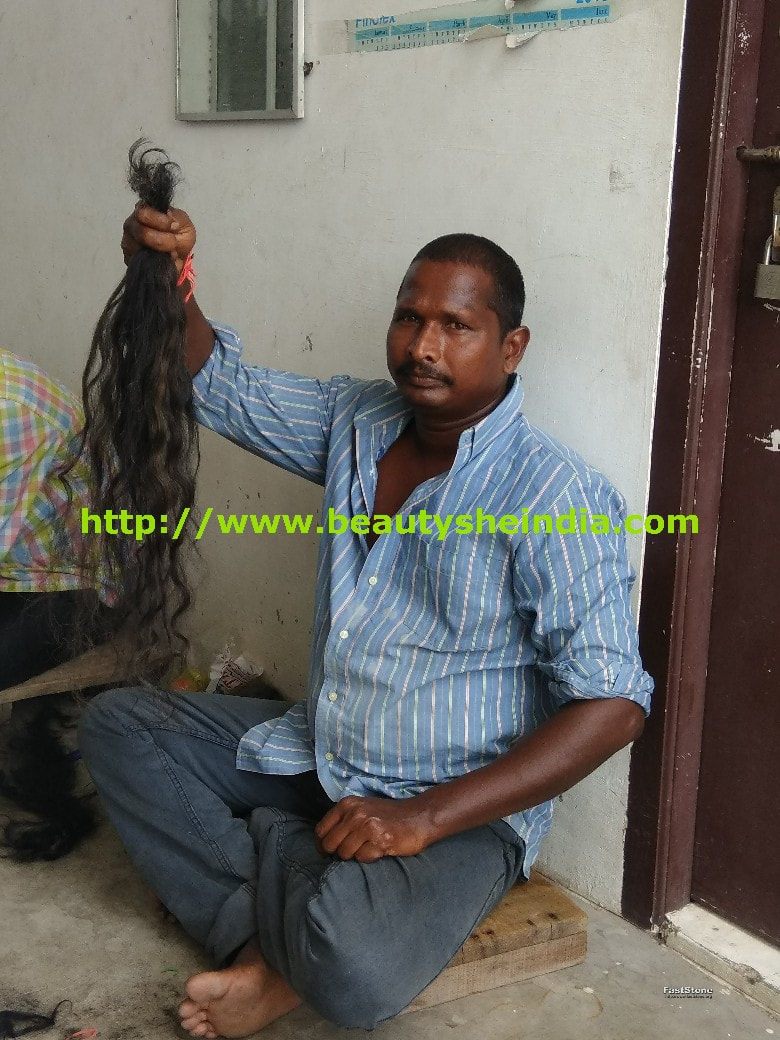
Selection Guide for Raw Indian Hair Vendors in India
Note: “Raw” = unprocessed, cuticle-intact hair. Verify claims rigorously—many vendors misuse this term.
-
Confirm true raw status
Demand unaltered hair samples (no steam, acid, or silicone treatments). Test by boiling a strand: raw hair retains texture/strength; processed hair frays or dissolves. -
Require traceable sourcing
Insist on documentation showing hair collected directly from temples (e.g., Tirupati, Shirdi) or rural villages. Avoid vendors citing “anonymous donors” or urban salons. -
Verify cuticle alignment
Examine sample under magnification: cuticles must lie flat and point uniformly toward the ends. Tangled or splayed cuticles indicate poor processing. -
Test moisture resistance
Submerge a strand in water for 10 minutes. Raw hair absorbs water slowly (>5 mins to sink); processed hair sinks immediately due to chemical damage. -
Demand ethical certification
Request copies of temple collector licenses and labor compliance certificates. Reputable vendors comply with India’s Foreign Trade Policy (FTP) for hair exports. -
Audit factory conditions
Schedule unannounced visits to verify: - Dust-controlled sorting rooms
- No chemical vats or steam tunnels
-
Humidity-controlled storage (<45% RH)
-
Reject “single donor” claims
True raw hair is temple-donated—sourced from thousands of donors. Any vendor guaranteeing “one donor per bundle” is misrepresenting temple-sourced inventory.
Maintenance Guide for Raw Indian Hair Inventory
Critical for preserving integrity before client application
-
Store at 18–22°C with 40–50% humidity
Use climate-controlled vaults; never store in basements or attics. Monitor with hygrometers daily. -
Cleanse only with pH 4.5–5.5 solutions
Use distilled water + sulfate-free cleanser. Never apply hot water (>30°C) or alkaline products—strips natural oils. -
Condition with cold-pressed coconut oil
Apply 5ml per 100g hair monthly. Rinse after 2 hours with cool water. Excess oil attracts dust in Indian monsoons. -
Conduct saltwater tests quarterly
Soak samples in 3% saline solution for 24 hours. Reject batches showing tangling or color shift—indicates cuticle damage. -
Reject copper sulfate treatments
Some vendors use copper sulfate to “strengthen” hair. Test with iron filings: discoloration = metal residue (causes green oxidation on light hair).
Critical Reminder: Raw hair cannot be colored or permed without losing its “raw” classification. Any vendor offering “raw hair with color options” is selling processed inventory. Always request third-party lab test reports (SGS or Bureau Veritas) for authenticity.
Factory-direct insight: 87% of “raw” hair sold in India is steamed or acid-washed. Demand batch-specific certificates—not generic claims.
Partner with HairNotion
- Discover premium, unprocessed raw Indian hair directly from trusted local vendors in India
- Source high-quality, cuticle-aligned hair at factory-direct prices
- Contact us today for bulk inquiries and wholesale partnerships
Email: [email protected]
WhatsApp: +86 18562652363
💰 Factory Direct Savings Calculator
Compare Factory Direct Price vs. Retailer Price.