

Introduction
When men first start exploring men’s stock hairpieces, one of the most confusing parts is understanding the base material. The base is the foundation of every hair system—it determines how natural it looks, how comfortable it feels, and how long it lasts.
Choosing the wrong base can lead to discomfort, visible edges, or a system that doesn’t suit your lifestyle. On the other hand, picking the right base ensures your stock hairpieces blends seamlessly and gives you confidence every day.
In this guide, we’ll break down the most popular base types, their pros and cons, and how to choose the perfect one for your needs.
Why the Base Material Matters
The base material is where the hair is knotted, injected, or looped into. It sits directly on your scalp, so it affects:
Appearance – Whether your hairline looks natural or artificial
Comfort – Breathability, flexibility, and fit during daily wear
Durability – How long the toupee will last before replacement
Maintenance – Ease of cleaning and reattachment
In short: the base material is the backbone of all men’s stock hair units.
Common Base Materials in Men’s Stock Hairpieces
1. Lace Bases
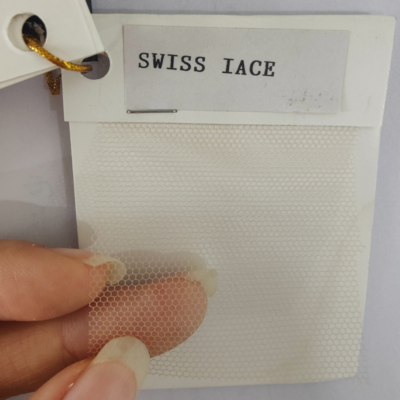
French lace and Swiss lace are the most widely used lace materials.
Pros:
Very natural look, especially at the front hairline
Lightweight and breathable—perfect for hot weather or active lifestyles
Comfortable for daily wear
Cons:
Less durable compared to other bases
Requires careful handling during cleaning
Needs frequent replacement (average 2–3 months of wear)
Best for: Men who prioritize a natural hairline and comfort, especially in warm climates.
2. Skin Bases
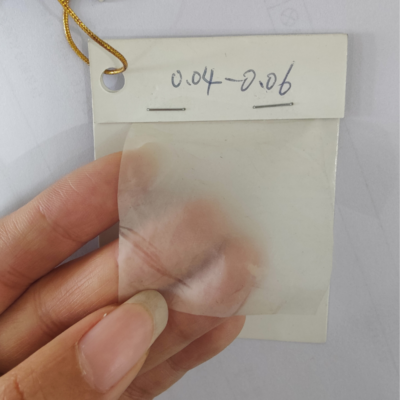
Skin bases are made of polyurethane (PU), available in different thicknesses such as ultra-thin skin (0.03mm), thin skin (0.04–0.06mm), and medium skin (0.08mm+).
Pros:
Creates a very natural, “growing-from-scalp” appearance
Easy to clean and attach with tape or glue
Longer durability for medium-thickness options
Cons:
Less breathable than lace
Ultra-thin versions are fragile and may tear if not handled gently
Can feel warm in hot weather
Best for: Men looking for a realistic scalp effect and easy maintenance.
3. Fine Welded Monofilament (Mono) Bases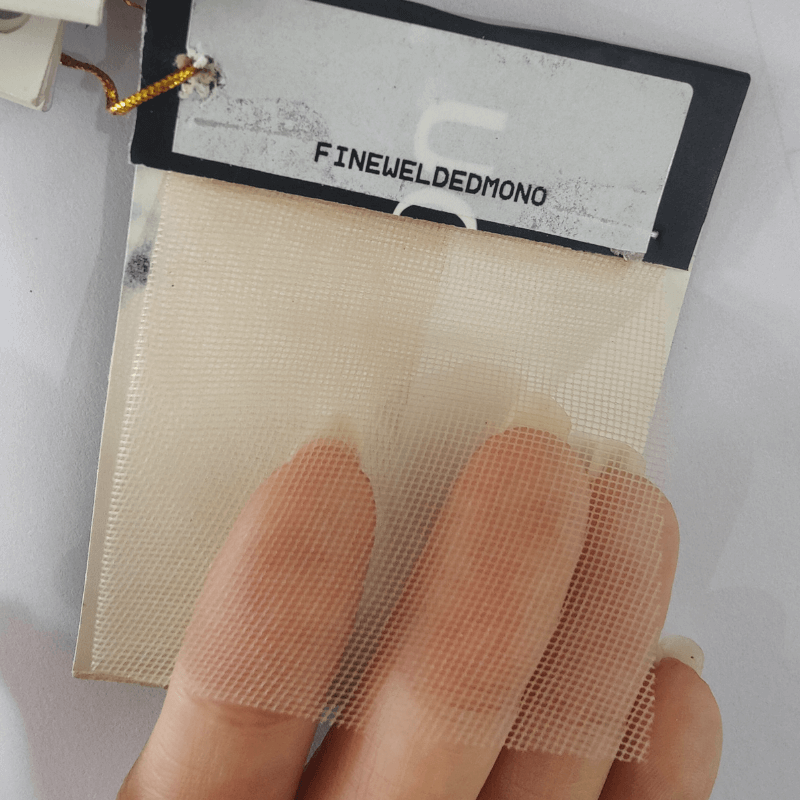
Monofilament bases are built with strong mesh material.
Pros:
Very durable—lasts longer than lace and thin skin
Can handle higher hair density
Good option for men who want longevity
Cons:
Slightly less natural than lace or thin skin
Heavier and less breathable
Requires a bit more effort to blend the front hairline
Best for: Men who value durability and plan to wear the same hair system for longer periods.
4. Combination Bases
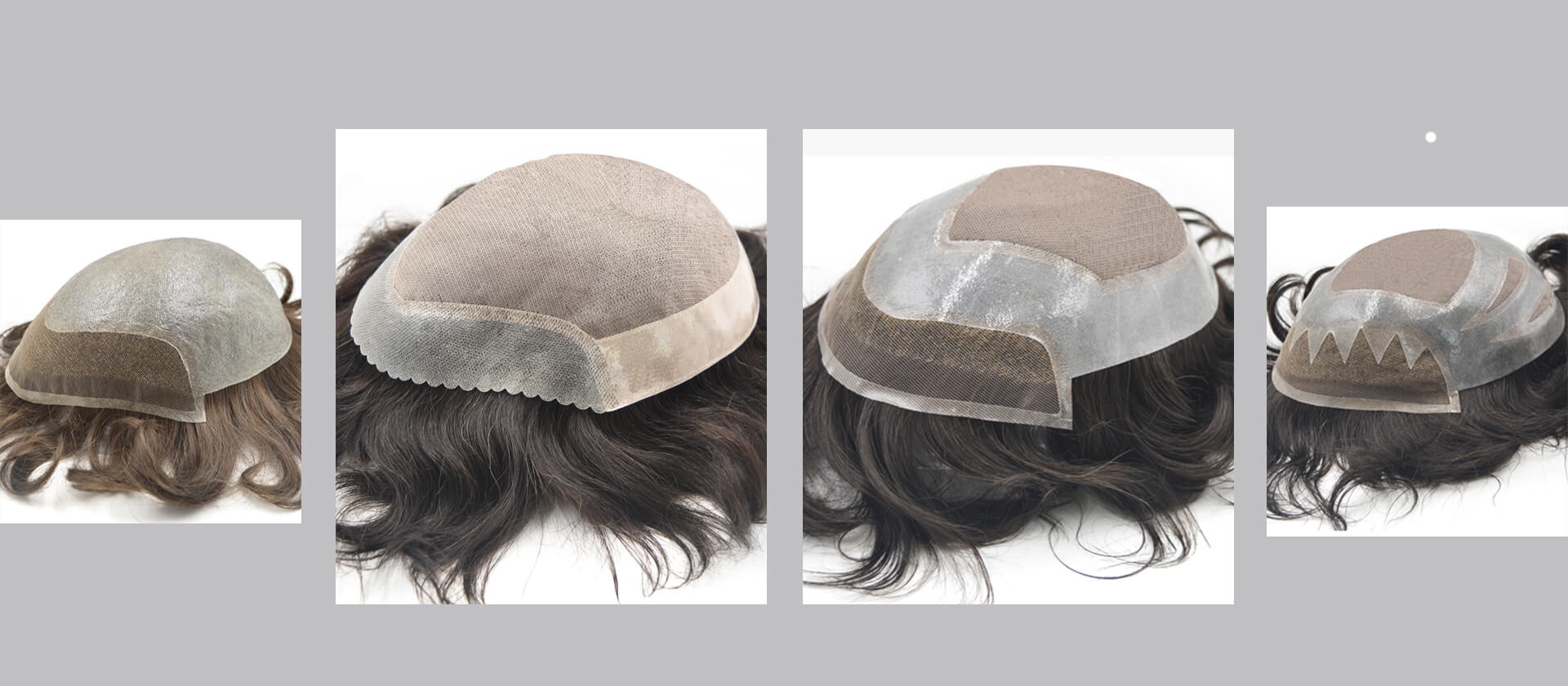
Some stock hairpieces for men combine multiple materials, like lace front with poly sides or mono top with lace edges.
Pros:
Offers the best of both worlds (natural hairline + durability)
Versatile and customizable
More balance between natural look and strength
Cons:
May take some trial and error to find your perfect combination
Maybe not very natural
Best for: Men who want a balanced option—natural-looking front with a strong and durable back/sides.
How to Choose the Right Base for Your Lifestyle
When deciding on a base for your men’s stock hair system, ask yourself these key questions:
Do you prioritize natural appearance or durability?
Choose lace or ultra-thin skin for maximum realism.
Choose mono or hybrid if you want long-lasting wear.
Do you live in a hot or humid climate?
Lace bases are more breathable and comfortable.
Are you new to wearing hair systems?
Start with a stock lace or thin skin base for easy attachment and natural blending.
Do you have an active lifestyle (sports, gym, outdoor work)?
Breathable lace or hybrid bases will prevent sweat buildup.
What’s your budget?
Lace and thin skin bases may need frequent replacement, while mono bases last longer and could be more cost-effective long term.
Pro Tips for Base Maintenance
No matter which base you choose, proper care is essential:
Always clean adhesives gently to avoid tearing delicate bases.
Use recommended solvents and avoid harsh chemicals.
Rotate between two stock hair systems to extend lifespan.
Store your spare unit properly when not in use.
With the right routine, your stock men’s toupee can last longer and look better.
Conclusion
Choosing the right base material is one of the most important decisions when buying a men’s stock hair system.
Lace bases: Best for natural hairlines and breathability
Skin bases: Best for realistic scalp effect and easy cleaning
Fine Welded Mono bases: Best for durability and strength
Combination bases: Best for balance between realism and longevity
At HairNotion, we offer a wide range of stock hairpieces for men in different base materials—ready to ship, easy to wear, and designed for natural looks.
👉 Explore our Men’s Stock Hair Systems Collection and find the perfect base that matches your lifestyle.
FAQ: Choosing Base Materials for Men’s Stock Hairpieces
Q1: Which base lasts the longest?
A: Monofilament and hybrid bases are the most durable, lasting 4–6 months with proper care.
Q2: Which base looks the most natural?
A: Lace fronts and ultra-thin skin bases provide the most undetectable hairlines.
Q3: Can I swim or work out with my hair system?
A: Yes. Lace and combination bases are recommended for active lifestyles due to better breathability.
Q4: Are skin bases uncomfortable in hot weather?
A: Thin skin can feel warmer, but many men adjust easily with proper adhesive and scalp care.
Q5: Can I change base materials later?
A: Absolutely. Many men start with stock lace systems, then try skin or combination designs to see what works best.