

Article Contents
Understanding Synthetic Hair For Wigs
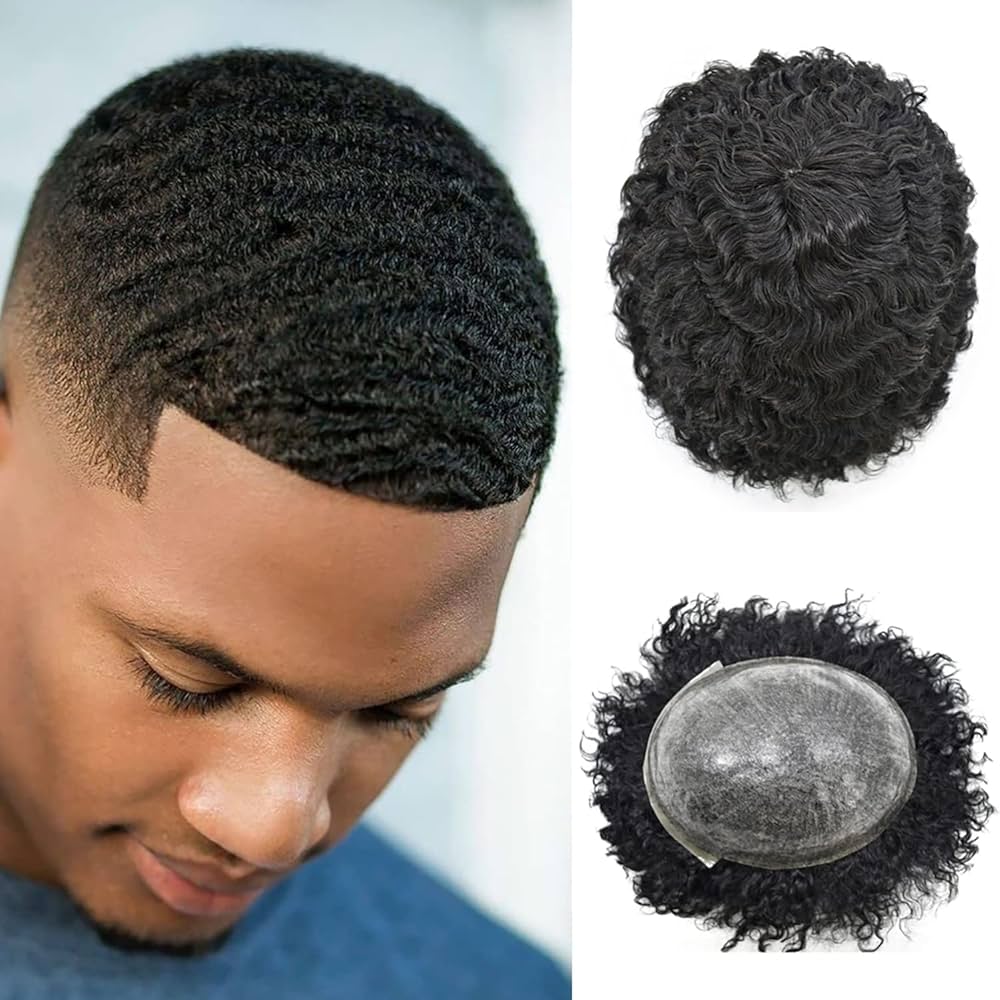
For over 30 years, HairNotion has been perfecting the art of synthetic hair for wigs—combining advanced fiber technology, lasting beauty, and factory-direct value. As a trusted manufacturer with decades of experience, we design every strand to deliver natural movement, vibrant color retention, and comfortable wear that exceeds expectations.
At HairNotion, we believe quality shouldn’t come with a premium markup—because great hair should be accessible to everyone. That’s why we sell directly to you, cutting out middlemen and retail markups without compromising on craftsmanship.
Our guiding principle is simple: GOD = CLIENT. This means your satisfaction is at the heart of everything we do. From innovative heat-resistant fibers to soft, breathable cap constructions, every detail is shaped by real user needs.
Discover a wig that looks, feels, and moves like real hair—designed by experts, made in our own factory, and delivered straight to you. Welcome to the HairNotion difference.
Base Materials & Quality Specs
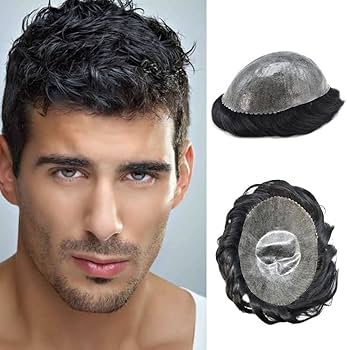
As a Senior Hair Replacement Specialist at HairNotion, I appreciate your focus on critical wig performance factors. Let me clarify a key point upfront: Remy Hair is human hair, not synthetic. It’s often confused in marketing, but synthetic wigs use engineered fibers (e.g., Toyokalon, Kanekalon), while Remy refers to human hair with intact cuticles. For accuracy, I’ll compare Swiss Lace and Thin Skin bases with synthetic hair fibers—the only relevant synthetic options for your criteria.
Here’s a technical comparison of synthetic wig bases meeting your requirements:
| Specification | Swiss Lace Base (Synthetic Hair) | Thin Skin Base (Synthetic Hair) |
|---|---|---|
| Base Material | Ultra-fine Swiss cotton/polyester lace (0.03mm thickness) | Medical-grade polyurethane film (0.05mm thickness) |
| Life Span | 4-8 months (with proper care; degrades faster with frequent adhesive use) | 6-10 months (resists moisture/tearing better than lace) |
| Realism | ★★★★☆ (Near-invisible when applied; mimics scalp texture, allows natural parting and bleaching of knots) | ★★★☆☆ (Smooth/scalp-like but less breathable; visible as a “second skin” under close inspection) |
| Durability | ★★☆☆☆ (Fragile; prone to snagging/tearing if mishandled; requires gentle adhesive removal) | ★★★★☆ (Highly tear-resistant; withstands moisture, sweat, and repeated adhesive use) |
| Undetectable Hairline | Best-in-class (virtually melts into skin; ideal for deep parts and forehead edges) | Good (seamless blend but may reflect light unnaturally on oily skin) |
| Comfort | Breathable but delicate (may irritate sensitive skin if adhesives aren’t hypoallergenic) | Lightweight and flexible (less breathable; can feel “sticky” in humidity) |
Key Insights from Our Factory Floor
- Natural Look Priority: Swiss Lace is unmatched for realism but demands expert application. Thin Skin suits active lifestyles but sacrifices subtle scalp mimicry.
- Durability Reality: Synthetic fibers (unlike human hair) cannot withstand heat styling >180°F (82°C). Both bases degrade faster with chlorine/saltwater exposure.
- Critical Note: No synthetic wig achieves permanent undetectability like high-end human hair. We reserve Swiss Lace for clients prioritizing aesthetics over longevity, and Thin Skin for humid climates or frequent wear.
For true “Remy-level” realism and heat tolerance, human hair remains essential—but it carries a 3-5x higher cost. At HairNotion, we recommend synthetic only for budget-conscious clients needing vibrant colors or low-maintenance styling. If you’d like technical specs for human hair wigs (including Remy), I’ll gladly provide that comparison separately.
Factory Craftsmanship
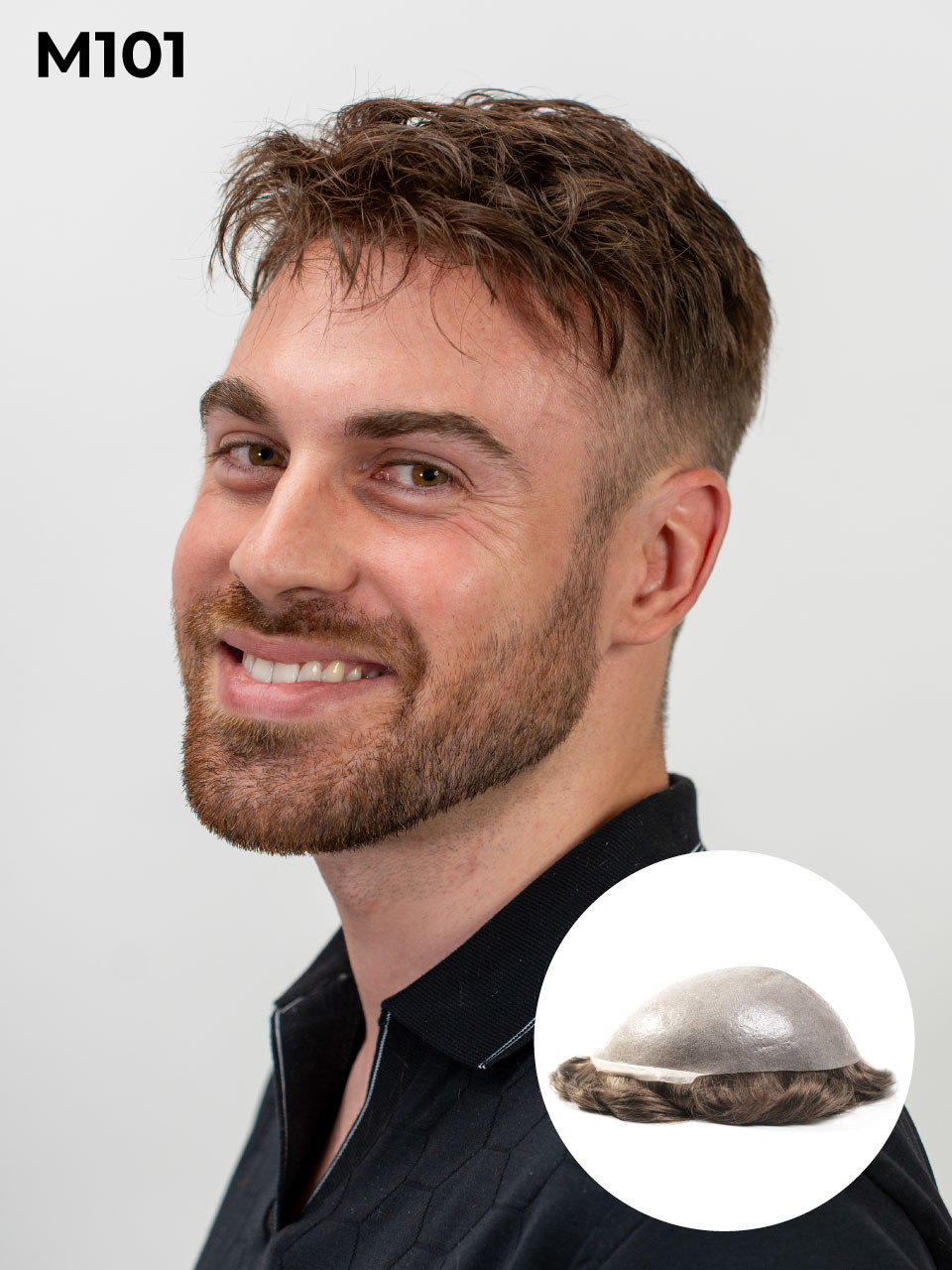
At HairNotion, our factory advantage in producing high-quality synthetic hair for wigs is built on precision, specialization, and rigorous quality control. We operate a fully integrated manufacturing facility designed to ensure consistency, efficiency, and superior end products. Here’s how our system delivers exceptional results:
-
Four dedicated craft worker groups, each specializing in a distinct phase of wig production: fiber preparation, wefting, lace application, and finishing/styling. This division of labor ensures expert handling at every stage and enhances craftsmanship.
-
Separate, optimized production lines for different wig types (e.g., full lace, lace front, machine wefted). This prevents cross-contamination, reduces downtime, and allows for customized processing tailored to each product’s specifications.
-
Strict quality control protocols enforced at every stage, including raw material inspection, in-process checks, and final product testing for fiber strength, color accuracy, and durability. Each wig undergoes a multi-point QC checklist before packaging.
Our structured workflow and factory-direct model eliminate middlemen, reduce costs, and allow us to maintain full oversight of product quality—ensuring that every synthetic hair wig meets international standards for performance and aesthetics.
Below is a summary of our production structure:
| Production Area | Responsibility | Key Benefit |
|---|---|---|
| Fiber Preparation | Sorting and treating synthetic fibers | Ensures softness, tangle resistance, and longevity |
| Wefting Line | Creating secure, flexible wefts | Uniform density and natural movement |
| Lace Application | Hand-tying and securing lace fronts | Realistic hairline and breathability |
| Finishing & Styling | Trimming, steaming, and quality check | Ready-to-wear look with consistent styling |
This disciplined, factory-controlled environment enables HairNotion to deliver premium synthetic wigs with unmatched consistency, efficiency, and attention to detail.
Usage Guide & Tips
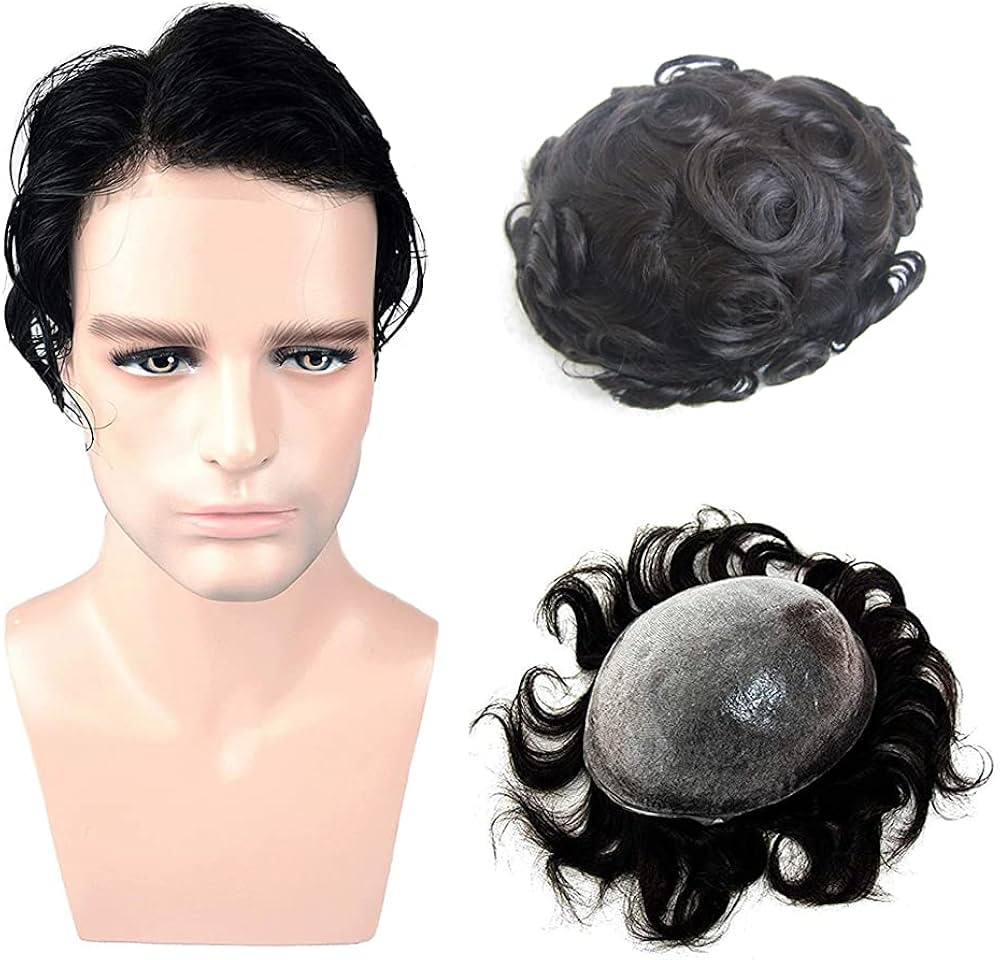
Synthetic Wig Selection & Maintenance Guide
Factory-Direct Advice from HairNotion
SELECTING YOUR SYNTHETIC WIG
- Choose heat-resistant fiber only if you plan to style with low-heat tools (max 270°F/130°C). Standard synthetic fiber cannot withstand heat.
- Prioritize a monofilament or lace front cap for natural movement and scalp realism; basic caps may feel less breathable.
- Match density to your natural hair: light (30-50%) for thinning hair, medium (50-70%) for average coverage, heavy (70-100%) for volume.
- Verify color under natural light—screens distort shades. Request physical swatches from reputable suppliers.
- Ensure the cap size fits your head measurement (average: 22.25″). Ill-fitting wigs cause slippage and discomfort.
DAILY MAINTENANCE STEPS
- Brush gently with a wide-tooth wig comb before washing, starting from ends and working upward to prevent tangles.
- Wash only when product buildup occurs (every 10-15 wears). Use cold water and sulfate-free wig shampoo.
- Soak for 5 minutes max—never rub or twist fibers. Rinse thoroughly in cold water until water runs clear.
- Apply wig conditioner sparingly, focusing on mid-lengths to ends. Rinse completely.
- Pat dry with a microfiber towel; never wring out water. Air-dry flat on a wig stand away from direct heat/sunlight.
- Store on a stand or in a breathable bag—never compressed in a drawer or plastic container.
CRITICAL DO-NOTS
- Never use hot tools (flat irons, curling wands) on standard synthetic fiber—permanent melting occurs above 185°F (85°C).
- Avoid regular human hair shampoos/conditioners—they contain oils that degrade synthetic fibers.
- Skip alcohol-based styling products (gels, sprays); they cause fiber brittleness and static.
- Don’t sleep or swim in your wig—friction and chlorine/saltwater accelerate fiber damage.
Note: Heat-resistant synthetic wigs still require lower heat settings than human hair. Always check fiber specifications. Proper care extends wig life to 4-6 months with daily wear.
Partner with HairNotion
- Looking for high-quality synthetic hair for wigs?
- Source directly from the factory for best pricing and consistent quality.
- Contact us today at [email protected] or WhatsApp +86 18562652363 for bulk orders and custom solutions.
💰 Factory Direct Savings Calculator
Compare Factory Direct Price vs. Retailer Price.