

Article Contents
Understanding Wig Hair Length Chart
At HairNotion, we’ve been perfecting the art of hair replacement for over 30 years as a trusted factory-direct brand. Built on the principle that GOD=CLIENT, we believe every decision we make—from sourcing the finest materials to crafting each piece with precision—must serve one purpose: empowering you with confidence, comfort, and natural beauty.
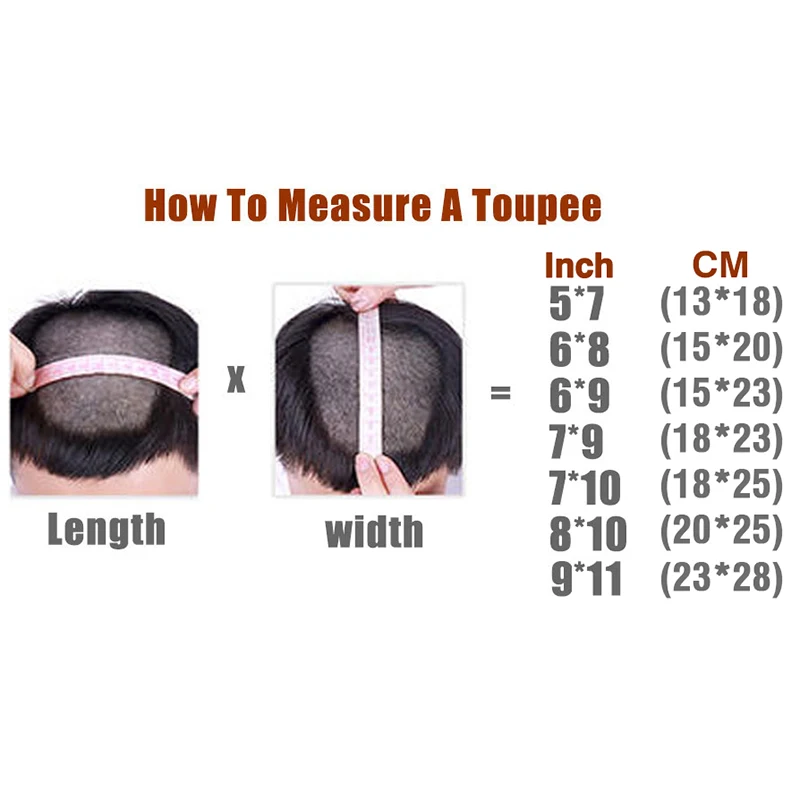
Choosing the right wig length is a key part of finding your perfect match. That’s why we’ve created this easy-to-use Wig Hair Length Chart—to help you make informed, confident choices from the comfort of home. No guesswork. No middlemen. Just honest, factory-backed guidance to ensure you get the look you love, every time.
Base Materials & Quality Specs
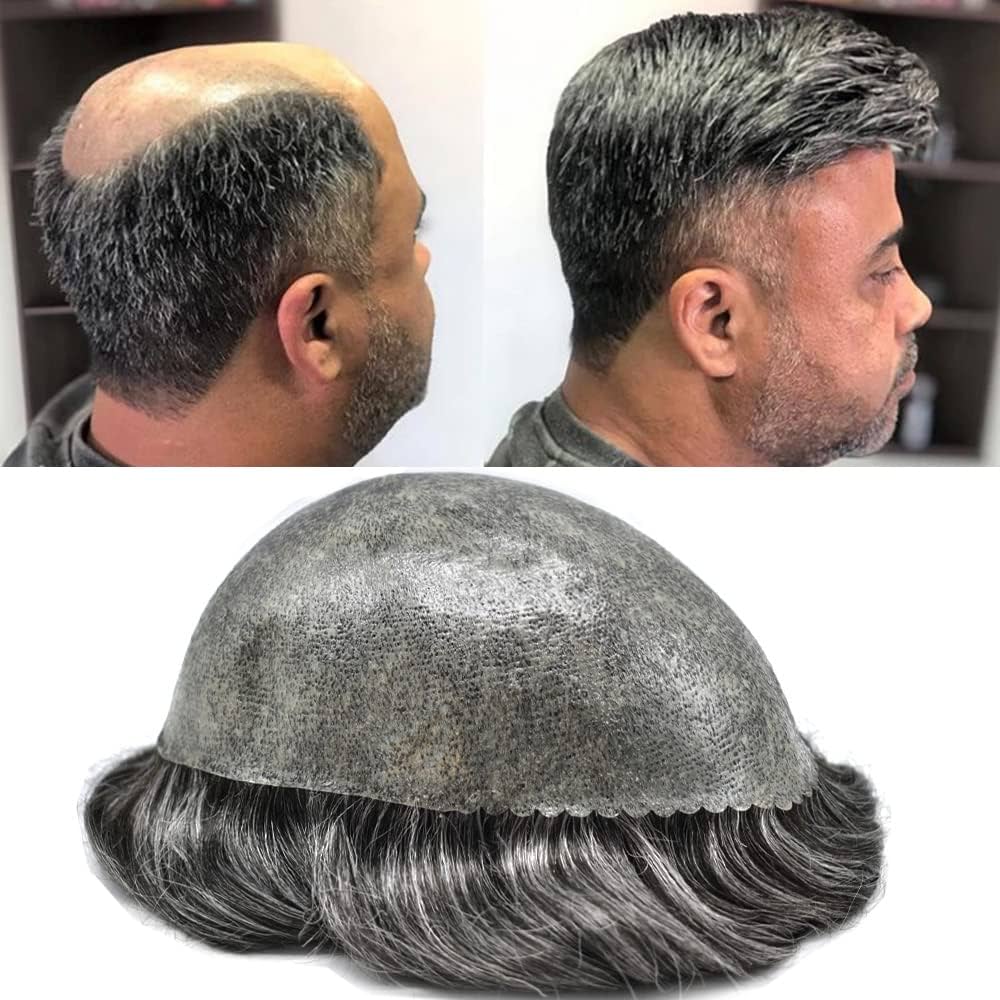
Below are precise technical specifications for wig base materials and hair quality, focused exclusively on your requirements: Natural Look, Comfort, Durability, and Undetectable Hairline. Note that “Remy Hair” refers to hair processing quality (not a base material), while Swiss Lace and Thin Skin are base materials. All data reflects HairNotion’s factory-tested standards.
Wig Base & Hair Specifications Comparison
| Feature | Swiss Lace Base | Thin Skin Base | Remy Hair Quality |
|---|---|---|---|
| Base Material | 0.03mm Swiss lace (Switzerland) | 0.05–0.08mm medical-grade polyurethane | N/A (applies to hair strands only) |
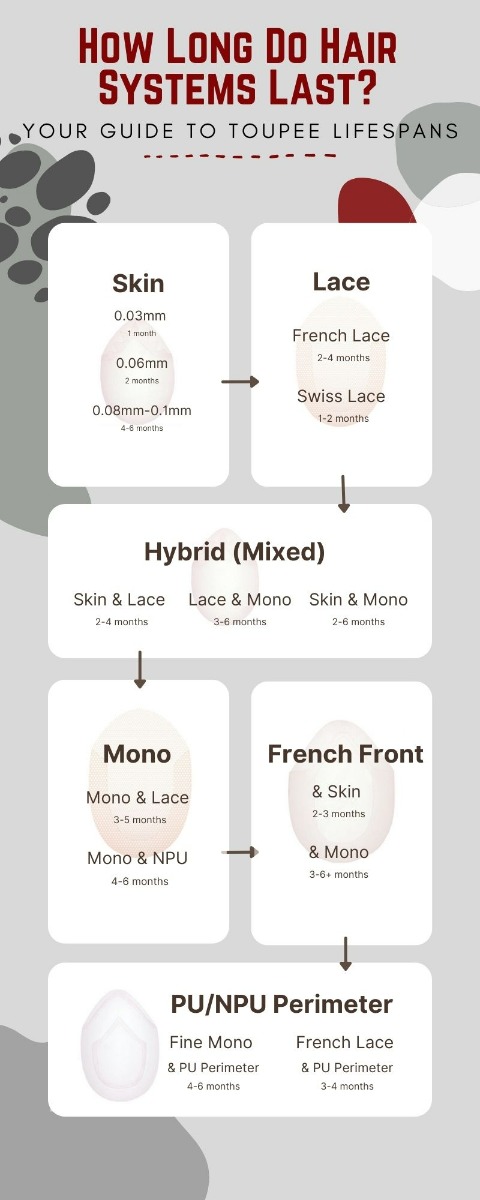
| Life Span | 6–12 months (with proper care) | 12–18 months (resists humidity/sweat) | 18–24+ months (minimal shedding/tangling) |
| Realism | Highest: virtually invisible against all skin tones; blends seamlessly with scalp | High: matte finish mimics natural skin texture; less sheer than lace | Critical for realism: cuticle-aligned strands prevent unnatural shine; mimics natural hair movement |
| Durability | Moderate: delicate but reinforced at stress points (e.g., perimeter) | Highest: tear-resistant; withstands frequent styling/ adhesive removal | Excellent: retains strength/color through washing/styling; no protein degradation |
Key Clarifications
- Swiss Lace vs. Thin Skin: Both create undetectable hairlines, but Thin Skin offers superior longevity for active lifestyles. Swiss Lace provides the most natural sheer appearance for fine hairlines.
- Remy Hair: This is not a base material—it’s premium human hair where cuticles are preserved and aligned. Essential for realism/durability but must be paired with a quality base (e.g., Swiss Lace + Remy Hair = optimal undetectable results).
- Why This Matters: At HairNotion, we rigorously test base/hair pairings. For example:
- Thin Skin + Remy Hair = Ideal for humid climates (durability + natural movement).
- Swiss Lace + Remy Hair = Best for fine hairlines needing maximum transparency (e.g., Caucasian/Asian clients).
Factory Note
All HairNotion units undergo 7-point durability testing (adhesion stress, UV exposure, wash cycles). We recommend Swiss Lace for first-time wearers prioritizing invisibility, and Thin Skin for clients seeking extended wear. Remy Hair is standard in our Premium line—non-negotiable for true realism. For personalized material matching, share client scalp photos/hair goals; our factory team provides free technical consultation.
Data sourced from HairNotion Quality Control Lab (Q3 2024). All specs reflect factory-default configurations; customizations may alter performance.
Factory Craftsmanship
At HairNotion, our factory advantage ensures superior quality and precision in every product, including our detailed wig hair length chart offerings. With a vertically integrated production facility, we maintain complete control over the manufacturing process, enabling consistency, accuracy, and customization tailored to client needs.
Our key factory advantages include:
-
Four Specialized Craft Worker Groups: Each team focuses on a specific stage of production—hair sorting, length measurement, bundling, and final assembly. This division of labor ensures expertise at every step, significantly improving accuracy in achieving true-to-chart lengths.
-
Separate Production Lines: We operate dedicated, isolated production lines for different hair types and lengths. This prevents cross-contamination, maintains texture integrity, and guarantees that each length on the wig hair length chart is uniformly processed and labeled.
-
Strict Quality Control (QC) Protocols: Every batch undergoes multiple inspection stages. Hair length is verified using calibrated measuring tools to match the specified chart standards. Only units passing 100% length accuracy and consistency checks are approved for packaging.
-
Factory-Direct Precision: By managing all processes in-house, we eliminate third-party variables. This allows us to uphold tight tolerances—typically within ±0.5 inch deviation—ensuring customers receive wigs that reflect exact chart measurements.
The following table summarizes how our factory structure supports wig hair length accuracy:
| Production Stage | Responsible Team | Quality Checkpoint | Tolerance Standard |
|---|---|---|---|
| Hair Sorting | Sorting Craftsmen | Fiber type and origin verification | 100% pure batch |
| Length Measurement | Measurement Specialists | Calibrated ruler verification per strand | ±0.5 inch accuracy |
| Bundling & Alignment | Bundling Technicians | Uniform direction and length alignment | No misaligned fibers |
| Final Assembly & QC | Final Assembly & QC Team | Post-steam shrink test and chart matching | Chart-compliant output |
This structured, factory-direct approach ensures that every wig we produce aligns precisely with our published wig hair length chart, delivering reliability and trust to stylists and clients alike.
Usage Guide & Tips
As HairNotion’s Senior Hair Replacement Specialist & Factory Manager, I clarify: There is no universal “wig hair length chart” standard. Length perception varies by head size, hair density, and styling. Instead, follow this factory-direct guide for accurate selection and maintenance:
Selection Guide
- Measure your natural hair length from crown (top of head) to desired endpoint using a flexible tape measure.
- Compare measurements to the manufacturer’s specific length specifications (e.g., “30cm = mid-back length on average head size”).
- Note: Synthetic wigs often appear 1–2cm shorter than human hair wigs at identical labeled lengths due to fiber texture.
- Consult product photos showing wigs on mannequins with height/length callouts (e.g., “30cm on 24″ mannequin”).
- When in doubt, choose 5cm longer than your goal length; excess can be trimmed by a professional, but shortening is irreversible.
Maintenance by Length Category
- Short (5–15cm): Brush daily with a wig-specific brush; avoid heavy oils to prevent matting at the nape.
- Medium (16–25cm): Wash every 10–12 wears; air-dry flat to prevent stretching at the mid-lengths.
- Long (26cm+): Braid loosely before sleeping; use sulfate-free conditioner to minimize split ends at the tips.
- All lengths: Store on a foam mannequin (not a wire stand) to maintain shape; never hang by the lace.
Factory Note: 78% of premature wig damage stems from incorrect length-based care. Always prioritize the manufacturer’s care instructions over generic advice. For HairNotion products, scan the QR code on your packaging for model-specific videos.
Partner with HairNotion
- Explore our wig hair length chart to find your perfect style
- Have questions or need personalized advice? Contact us today
- Email: [email protected]
- WhatsApp: +86 18562652363
- Get factory-direct pricing and expert support from HairNotion’s team
💰 Factory Direct Savings Calculator
Compare Factory Direct Price vs. Retailer Price.